Winter Term Employer Brief – Cat Water Fountain
Deliverables – overview of what Jelly expects from you:
- Brief and product research/ inspiration
- Brand name, personality and logo
- Character designs
- A styleframe (a single high-quality frame that showcases a section of the film and presents your intended visual style)
- Storyboard
- Visual examples/ animation of work to convey the vibe of the film (optional)
Product from Brief:
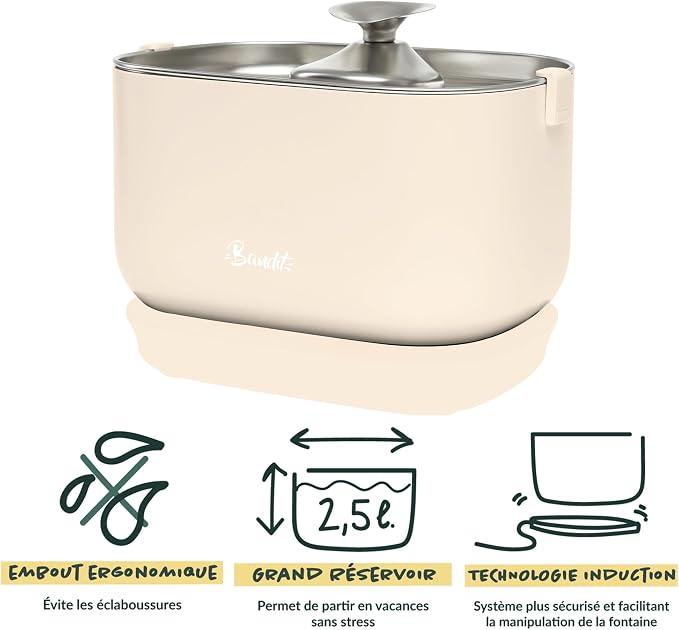
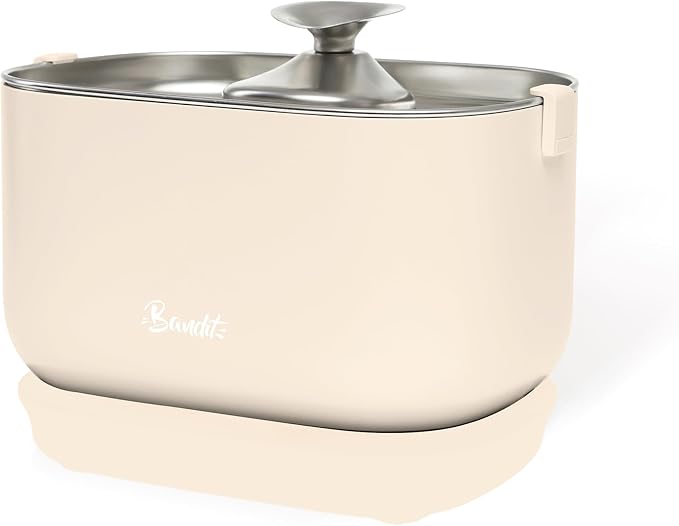
Bandit Wired Cat Water Fountain 2.5L 4-Stage Filtration Ultra Quiet Lower 30dB Stainless Steel Dishwasher Safe Tray And Mouthpiece Cream.
Product Details – click on image then go to store:
Groups
| Aryaman, Connor & Zaher | |
| Deeva & Simi | |
| Xavier & Gian | |
| Moaz, Jacob & Ava | |
| Ridwan & Stelian | |
| Michelle & Lily | |
Week 5 – w/b 19th October – Develop & Finalise your Cat Character Designs and Start Designing the Storyboard
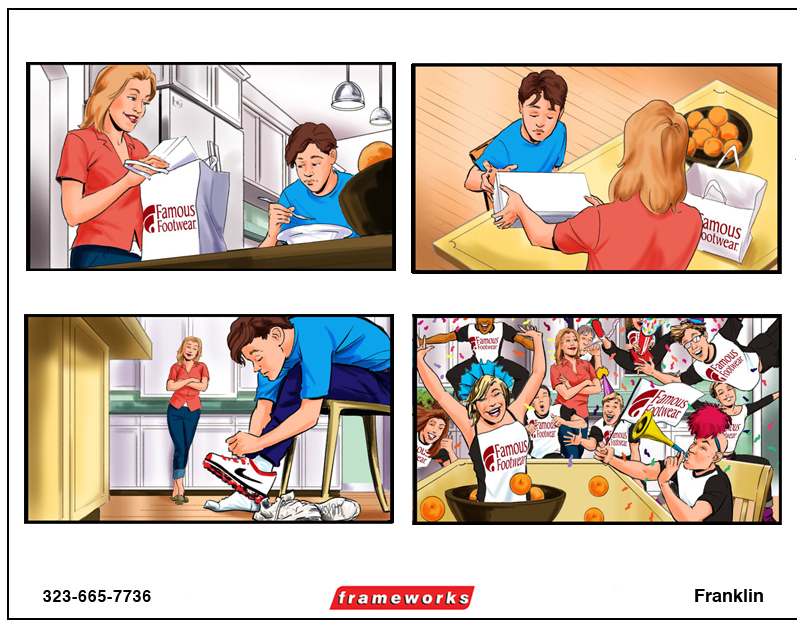
This week you will develop and present 4 x final cat characters and the Keynote Speaker Steve Paws who will all feature in the storyboard. You will then start working on designing the storyboard! You will do this in colour, digitally or by hand.
Developing & Finalising Your Cat Character Designs…
- Review your mood boards, research and initial cat character sketch ideas. Identify what works well and what could be improved.
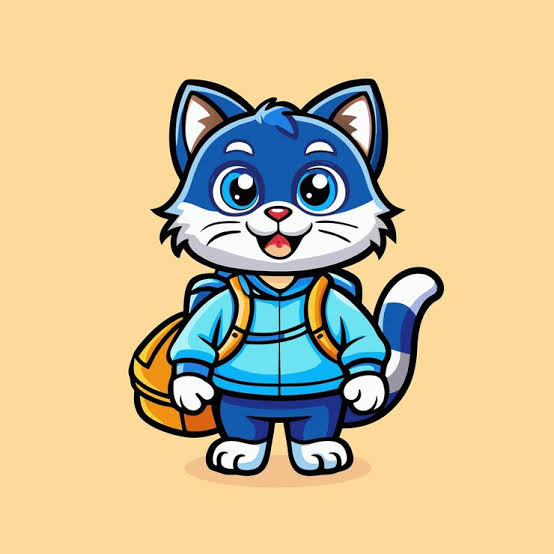
- Select the strongest ideas and develop them into 4 x final cat character designs and 1 for the Keynote Speaker Steve Paws.
- Consider:
- Shape and proportions
- Facial features and expressions
- Fur patterns and colours
- Clothing and accessories
- Personality and role in the advert
- Refine your designs and make improvements. For example, could you exaggerate the ears, change the body shape, add glasses, a bow tie, a jacket, or other accessories to make the character more memorable?
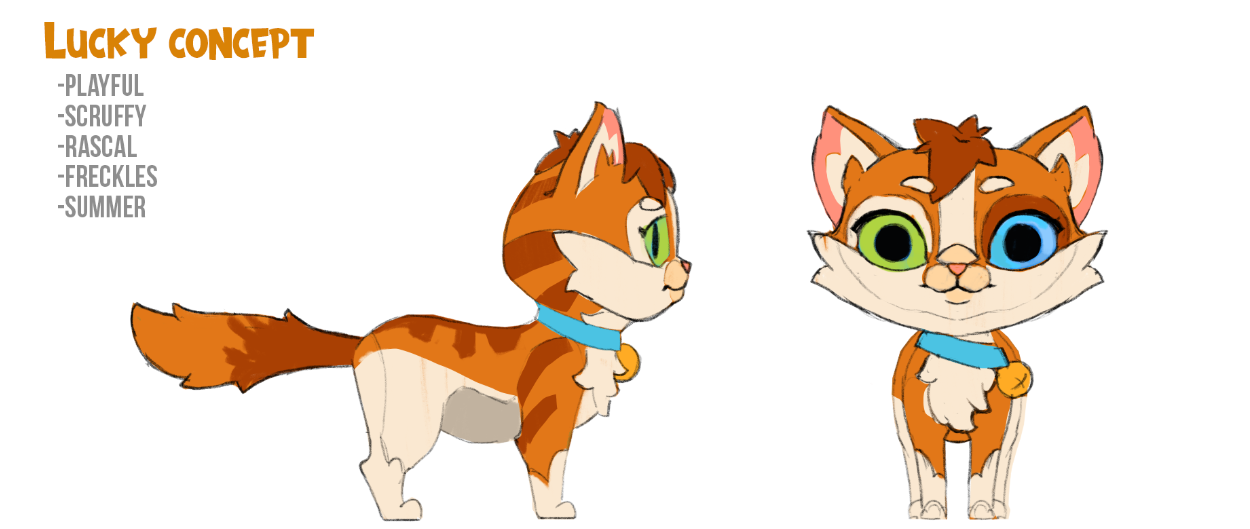
- Produce neat final drawings of each cat character design, showing:
- Front view
- Side or back view
- Name & key personality traits
- Add colour using your chosen media (e.g. pencils, felt tips, paint, ink) or complete the designs digitally.
- Present each character clearly on its own.
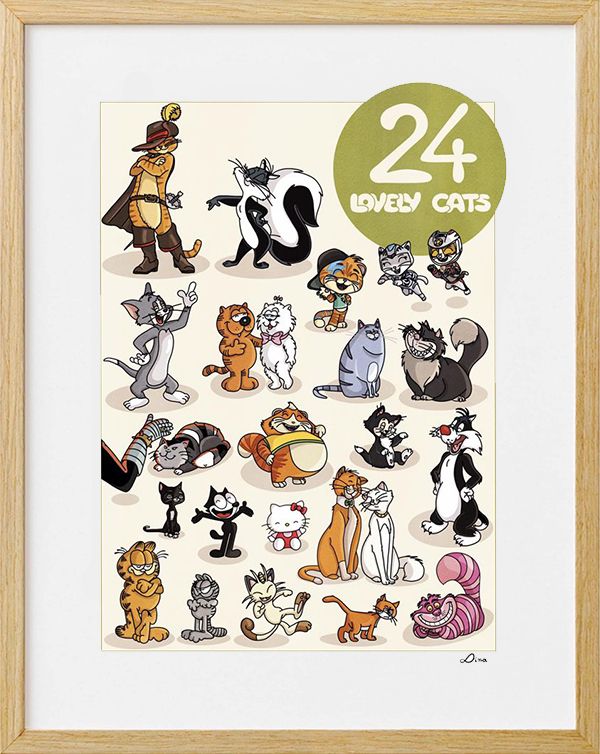
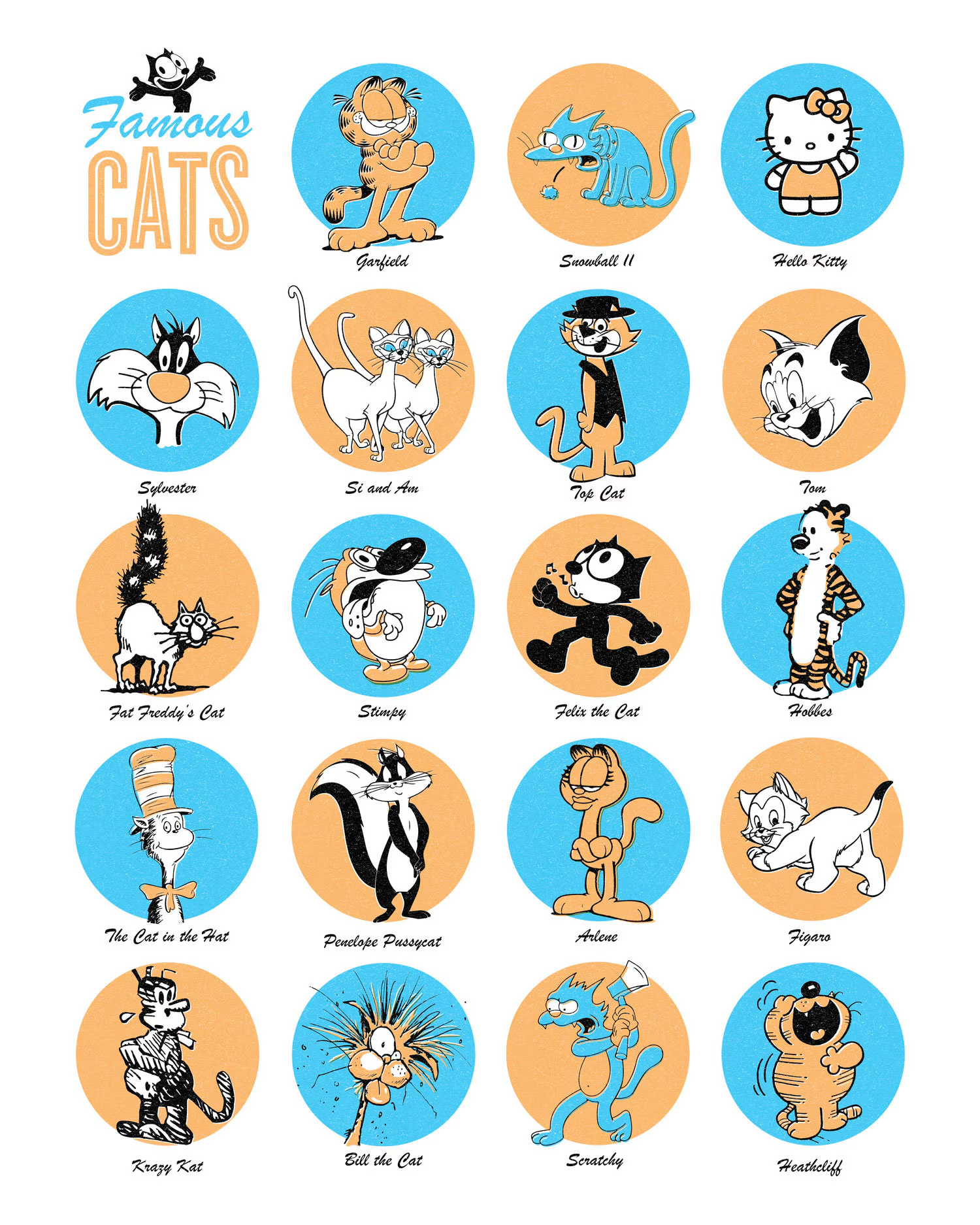
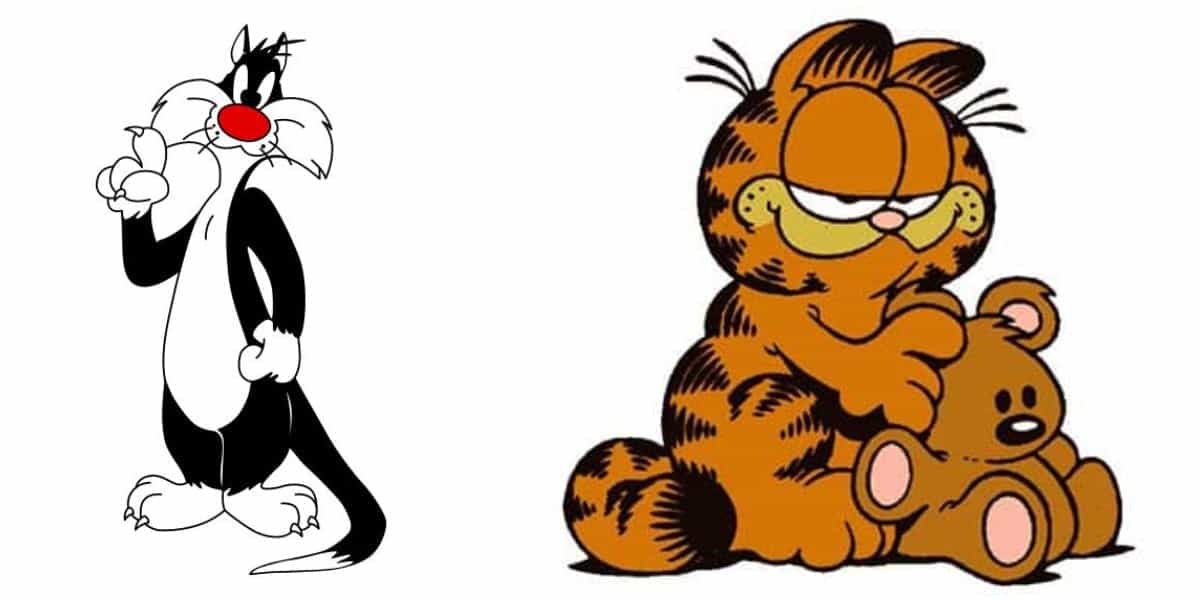
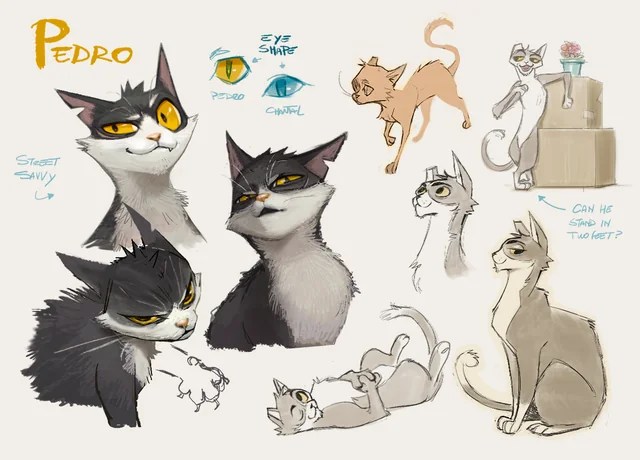
Start Designing the Storyboard for the Commercial…
1. Explore the World & Environments
Create ideas and drawings for key locations and scenes from the commercial, such as:
- Cat home
- Living room/computer scene
- Shop window
- Keynote presentation venue
2. Develop the Visual Style
Experiment with:
- Colour palettes
- Lighting & tone
- Composition
- Textures
- Mood and atmosphere
Explore the contrast between the dull, ordinary world of traditional water bowls and the exciting, colourful world of the new Cat Water Fountain. Decide on a consistent visual style for the commercial!
3. Plan Your Storyboard
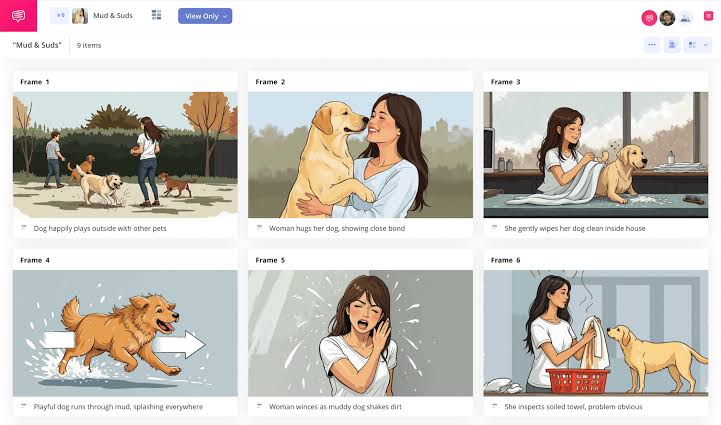
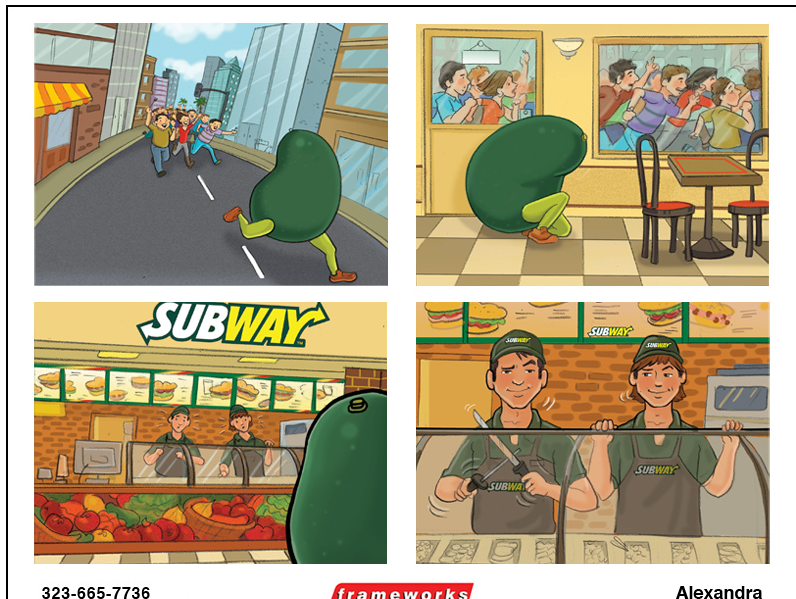
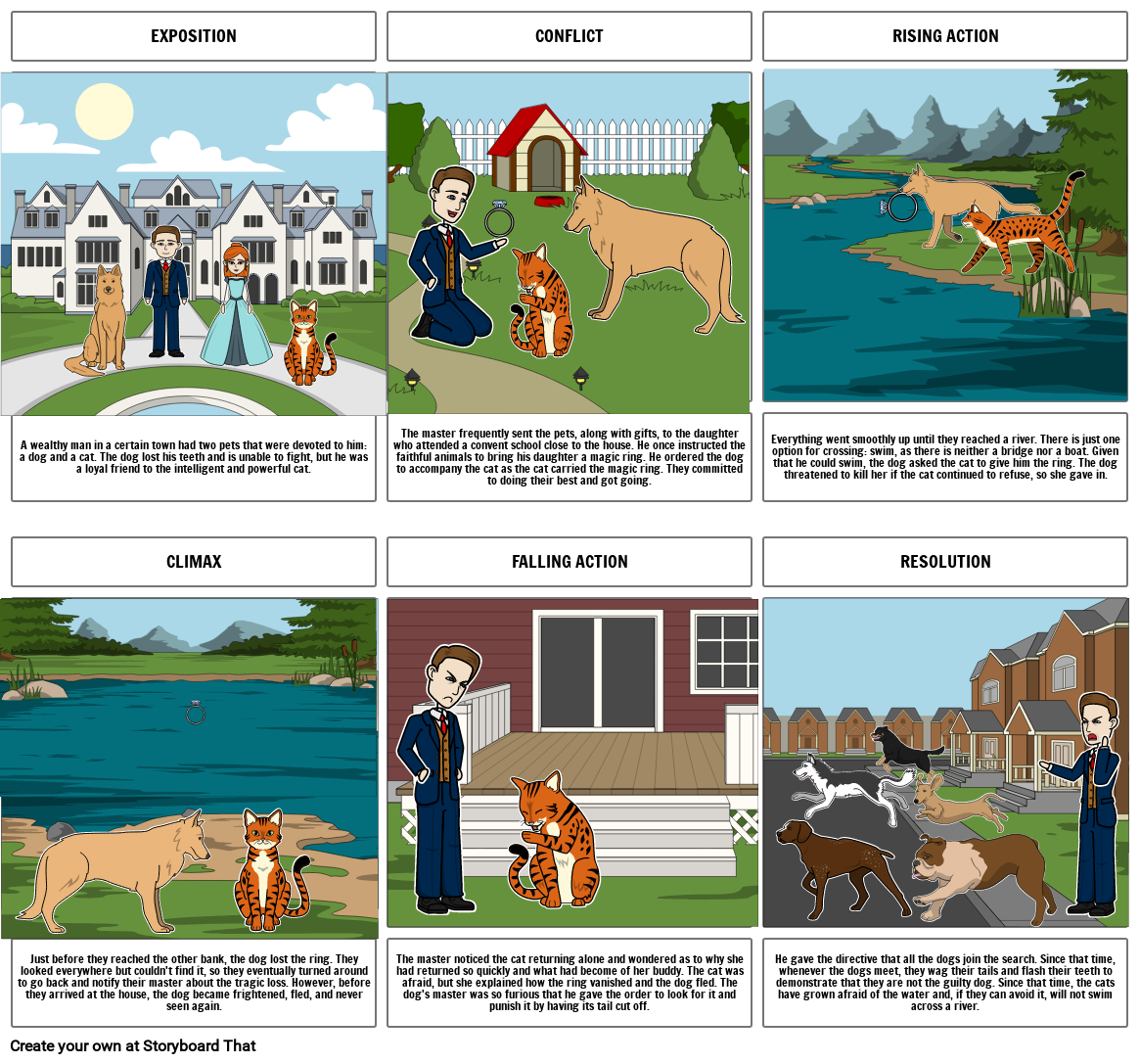
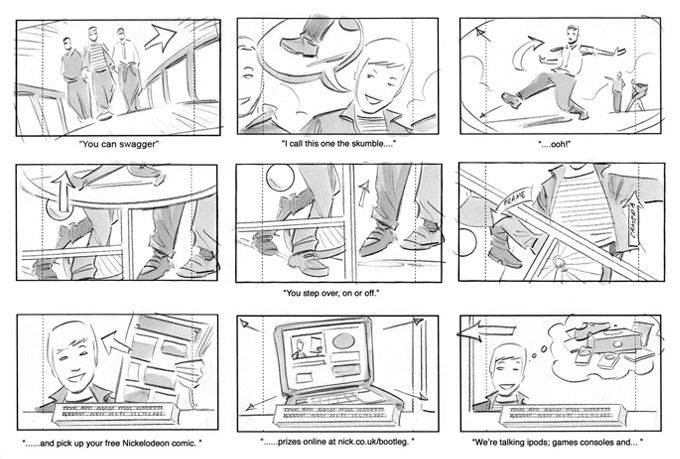
Create thumbnail sketches for each sequence for the commercial. Identify the key shots needed to tell the story clearly – refer to the brief.
Consider:
- Camera angles
- Character positions
- Movement and action
- Product reveal
- Visual transitions
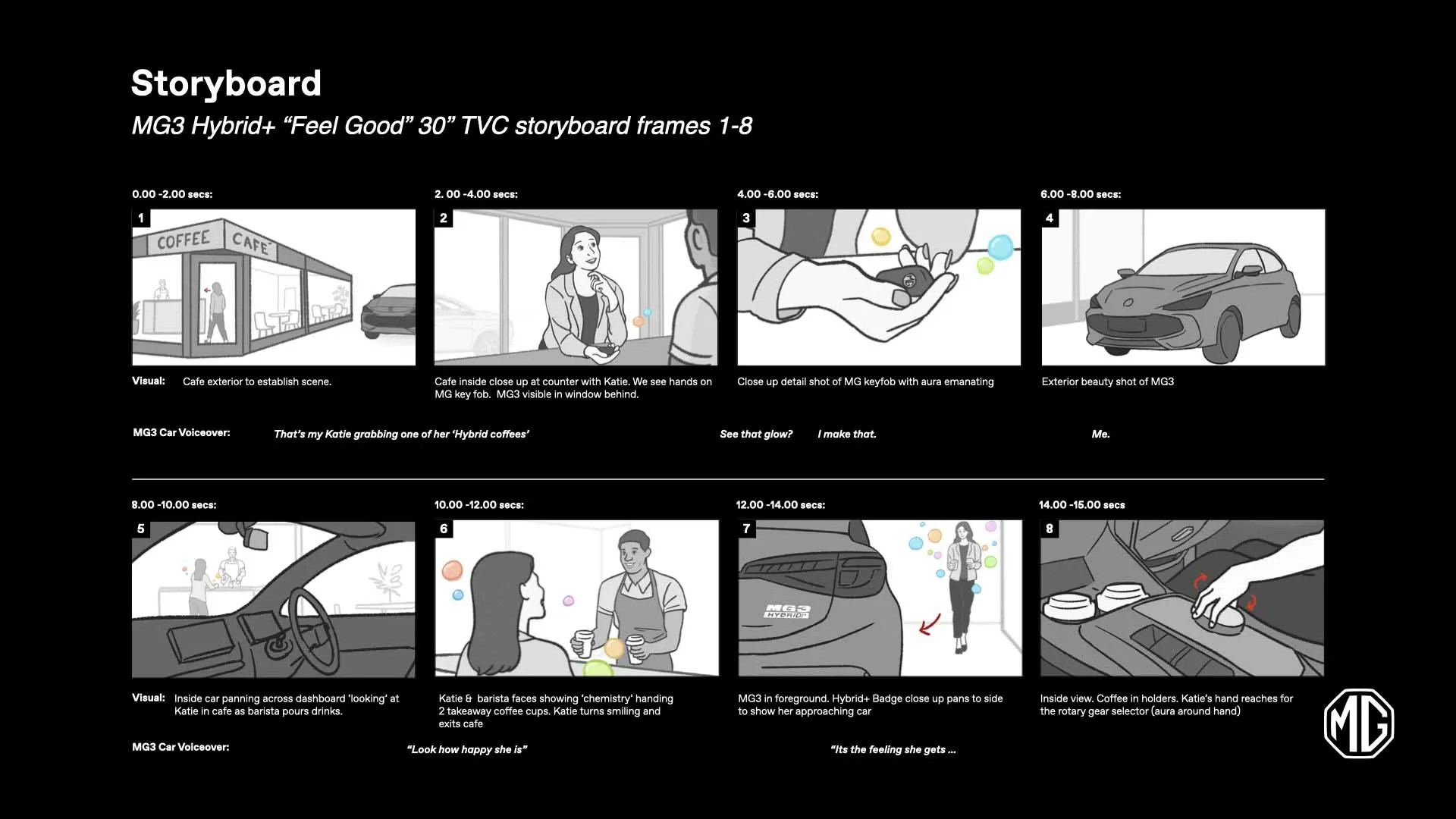
4. Develop Your Final Storyboard (in Colour)
Create clear storyboard panels showing the full commercial.
Include:
- Your final characters
- Different angles
- Action and movement
- Dialogue/voice-over
- Your branding & logo
- Any on-screen text
5. Review & Refine
- Check that characters, locations and branding remain consistent throughout.
- Ensure the transition from the ‘old’ way of drinking to the new fountain is clear.
- Gather peer and staff feedback.
- Make any improvements needed to your storyboard
Week 4 – w/b 12th October – Initial Character Designs
Create 6 x initial character designs for the cats featured in your TV commercial film and 2 x initial character designs for the Keynote Speaker Steve Paws – you may do this all by hand/ digitally – in black & white or colour and please add annotations
See Guidance Below
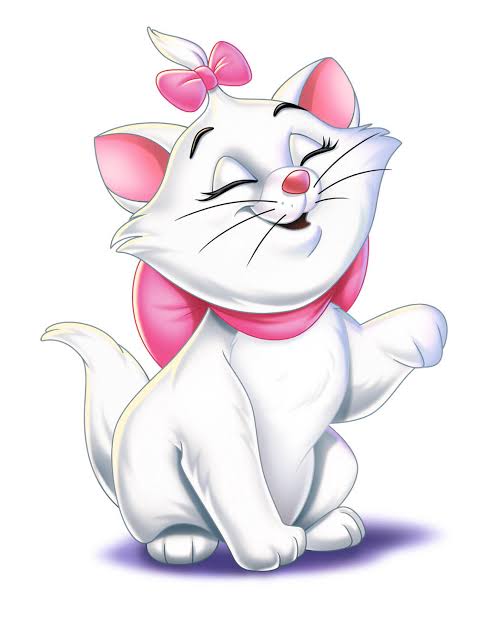
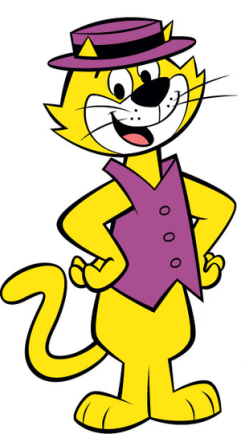
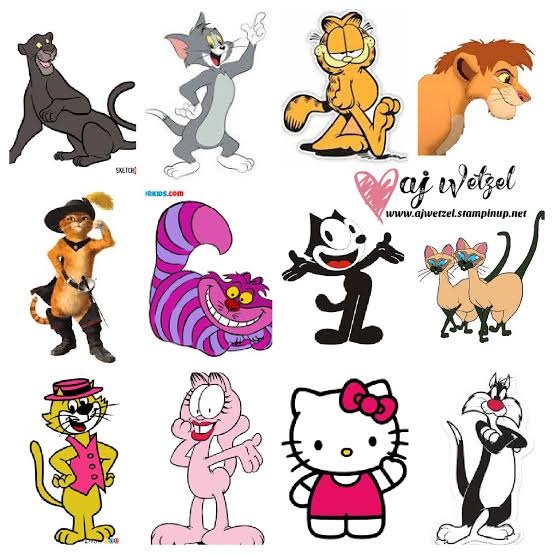
Refer to the sequences from the storyboard given in the original brief and have a look at a range of illustrated cat characters online. Then, study the following 5 elements before starting your initial designs….
- Cat Character Exploration
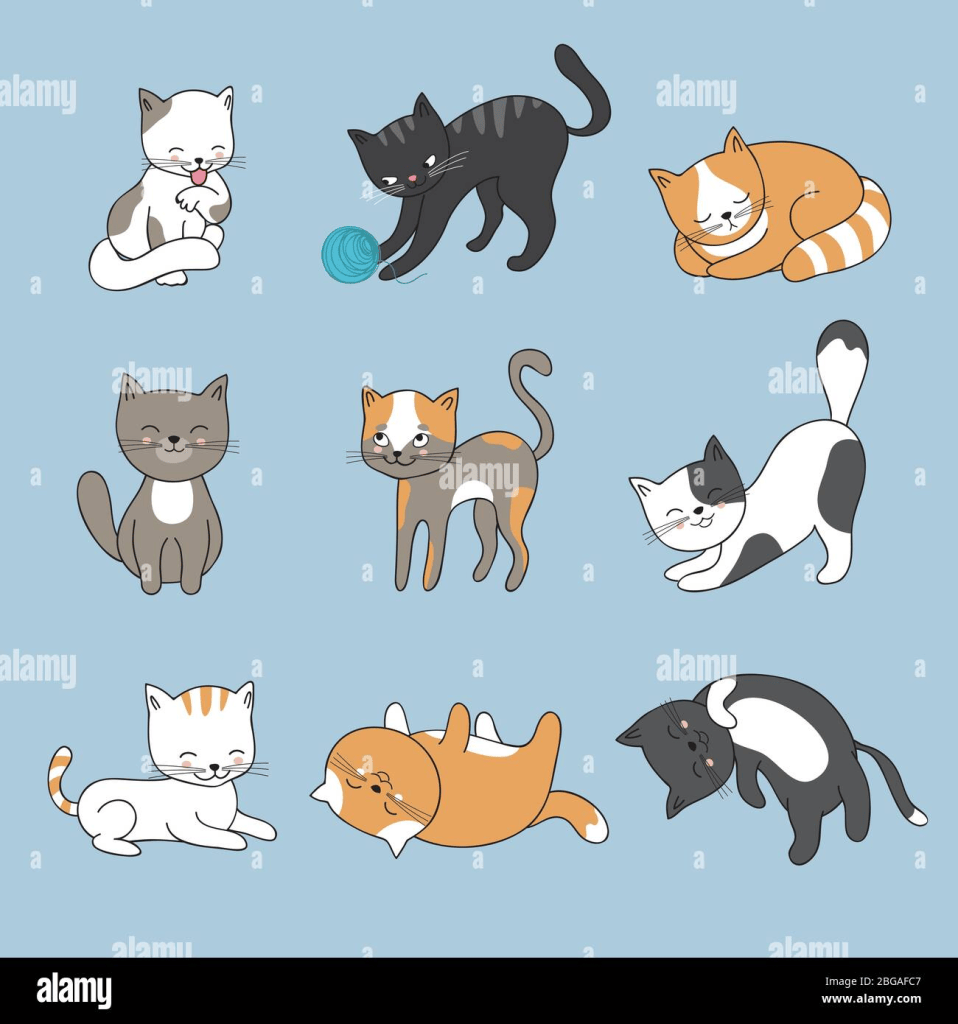
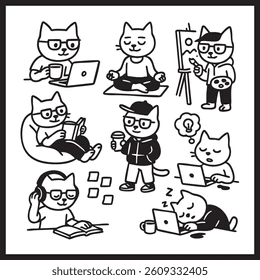
Identify:
- How exaggerated are the heads, eyes, ears, paws and tails?
- Which designs feel more realistic and which feel more stylised?
- How can you create different personalities?
- Which designs would work particularly well for your storyboard?
Try different proportions, shapes and exaggeration.
2. Cat Poses
Character design isn’t just about producing polished front-facing drawings!
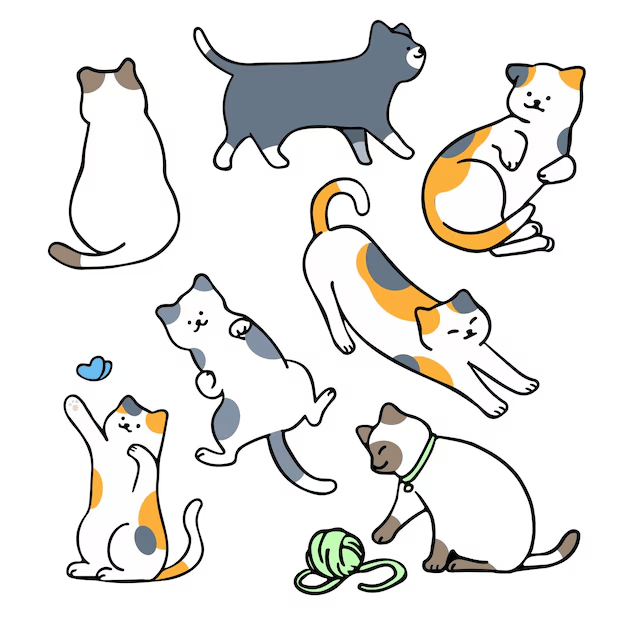
Try drawing your cats:
- Sitting
- Standing
- Walking
- Looking upwards
- Drinking
- Reacting to something surprising/ exciting
3. Cat Facial Expressions
Try to create your initial cat designs showing multiple expressions too through changes to the eyes, mouth, ears and head position.
Give Your Cat Personality – draw your cat showing the following emotions:
😊 Happy
😲 Surprised
🤔 Curious
😒 Unimpressed
😾 Annoyed
🤩 Excited
Which features did you change to communicate each expression?
4. Different Illustration Styles
Do not to assume there is one correct way of drawing a cat. Stylised cat illustration can range from simplified graphic/vector designs to highly exaggerated cartoon characters – we want you to create your cat characters in your own personal artistic style!
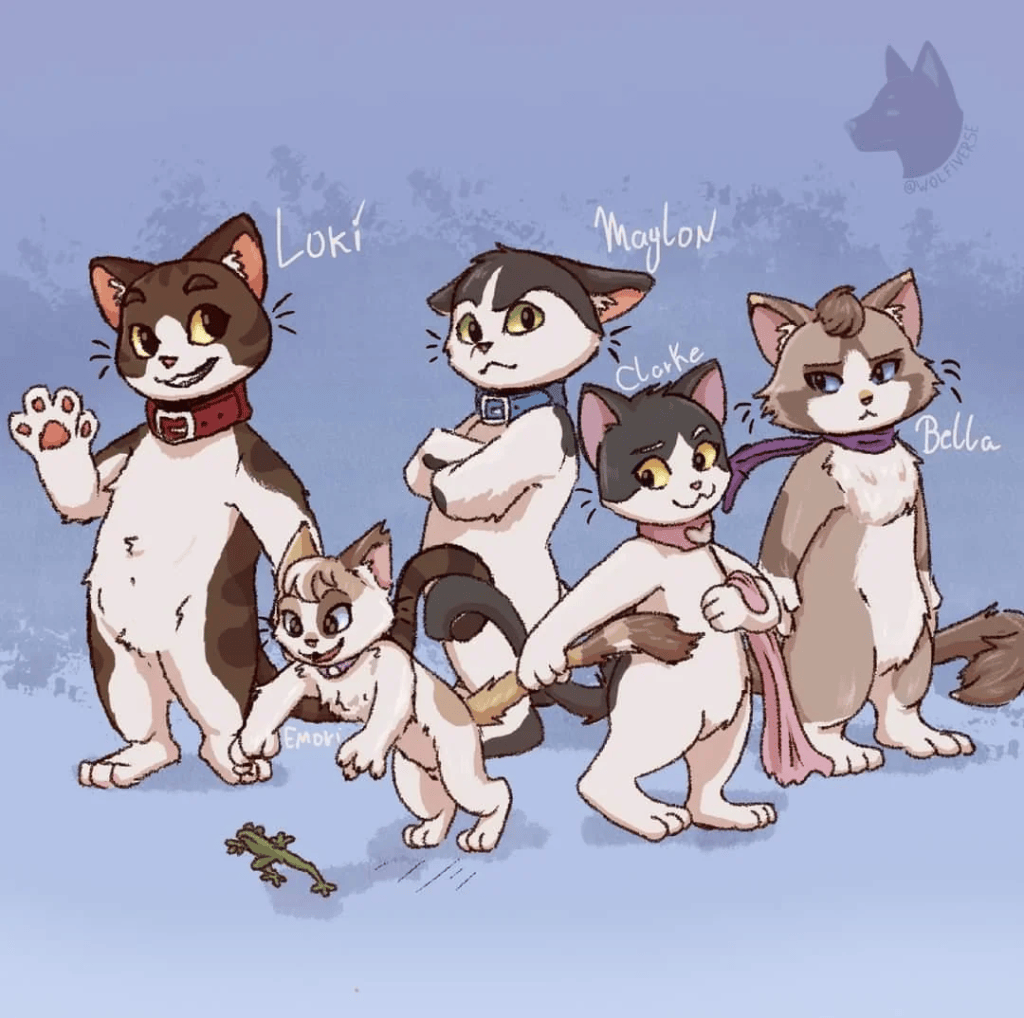
What illustration style will you use? For example:
Simple & graphic?
Flat shapes, limited colours, minimal detail.
Cartoon & exaggerated?
Large head, expressive eyes, oversized ears/paws, variety of colour.
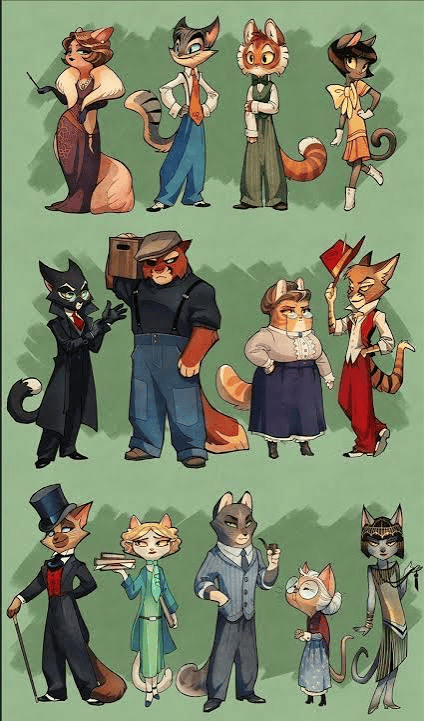
Stylish & sophisticated?
Longer proportions, smaller facial features
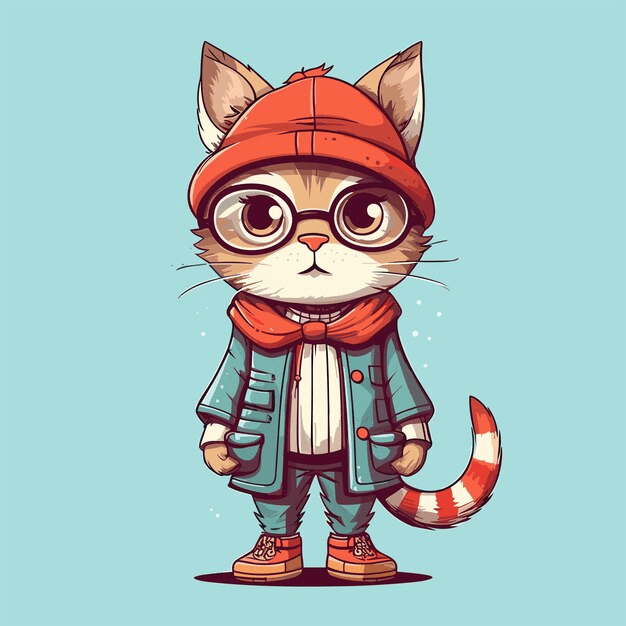
5. Costume & Styling
Consider how clothing and accessories can help communicate your cats personalities and roles in the story…
- What does your cat do and where are they?
- Are they a presenter, inventor, shopper, celebrity, business cat, for example?
- What colours and styles suit their personality?
- What accessories could make them more memorable?
Include, for example:
- Bow tie
- Glasses
- Waistcoat
- Jumper
- Badge
- Scarf
- Headset microphone
- Smart business suit
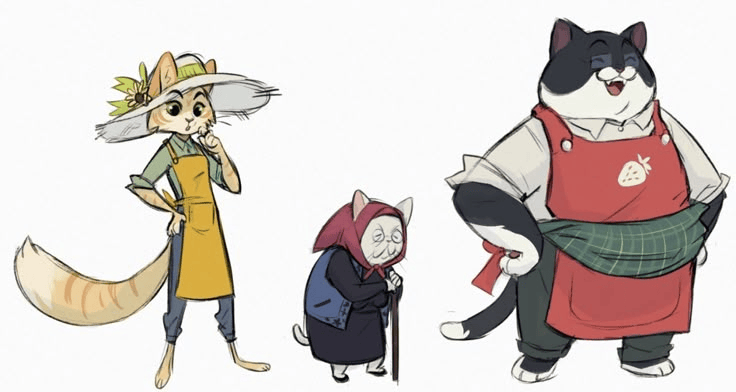
Week 3 – w/b 5th October – Present your Research & Ideas for Phase 1 – Brand Creation
Task 1 – Present your research in a PowerPoint or Canva presentation
- Identify the target audience & purpose
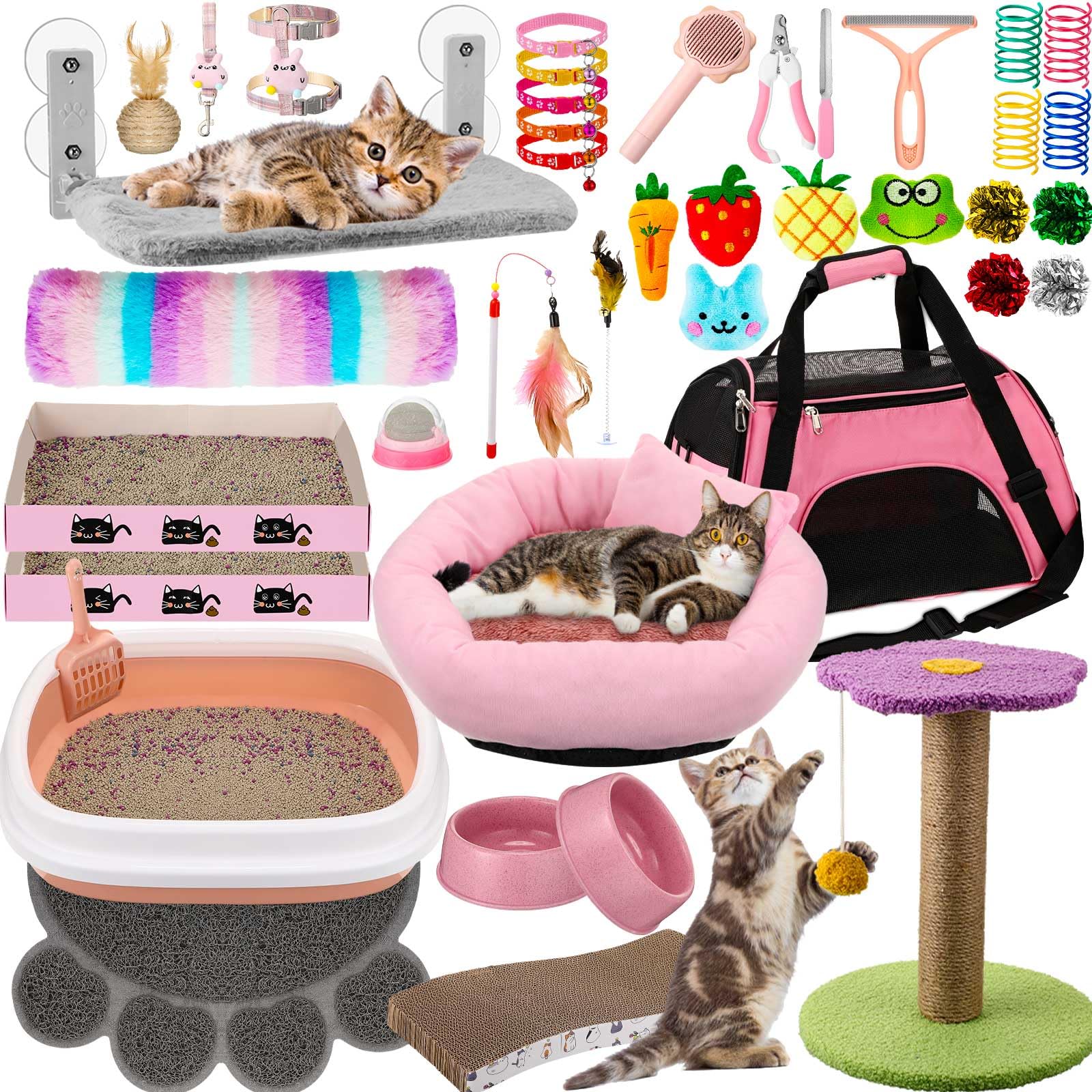
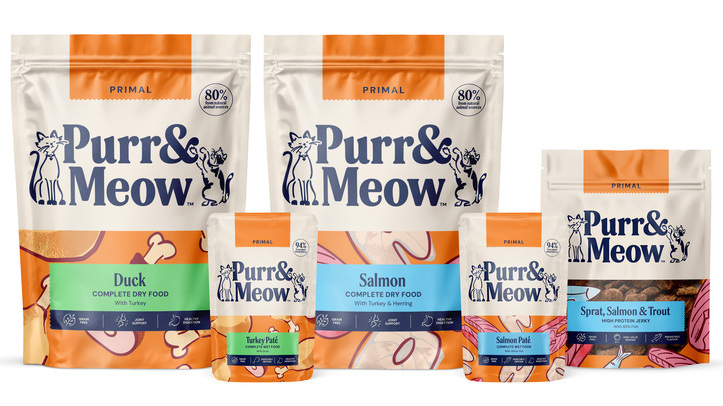
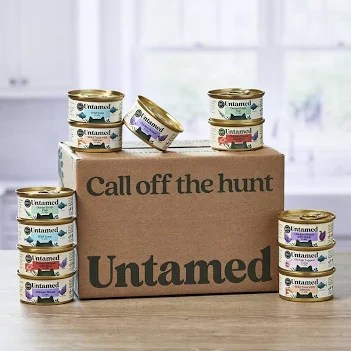
- Research existing cat products, water fountains and pet brands
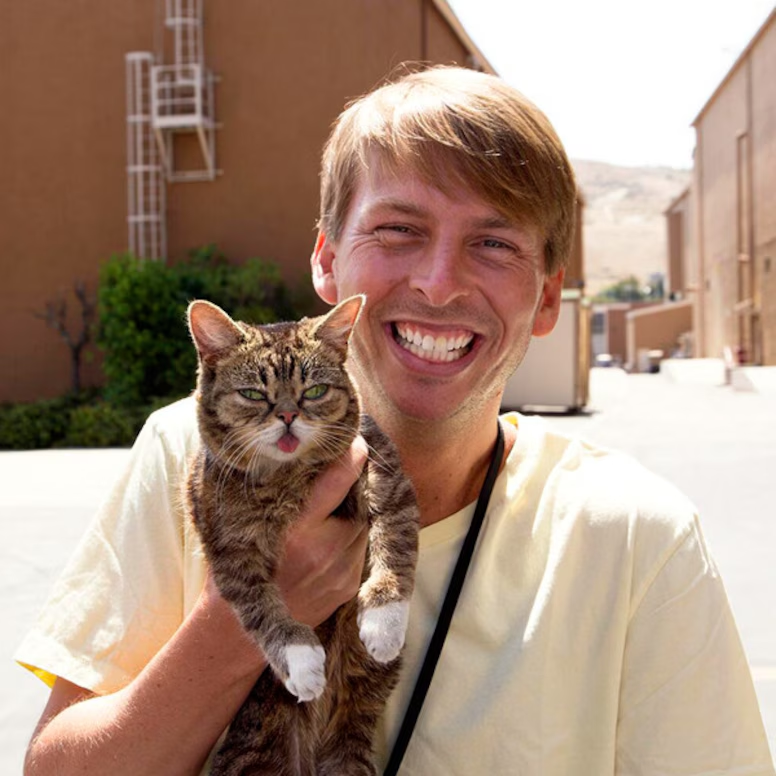
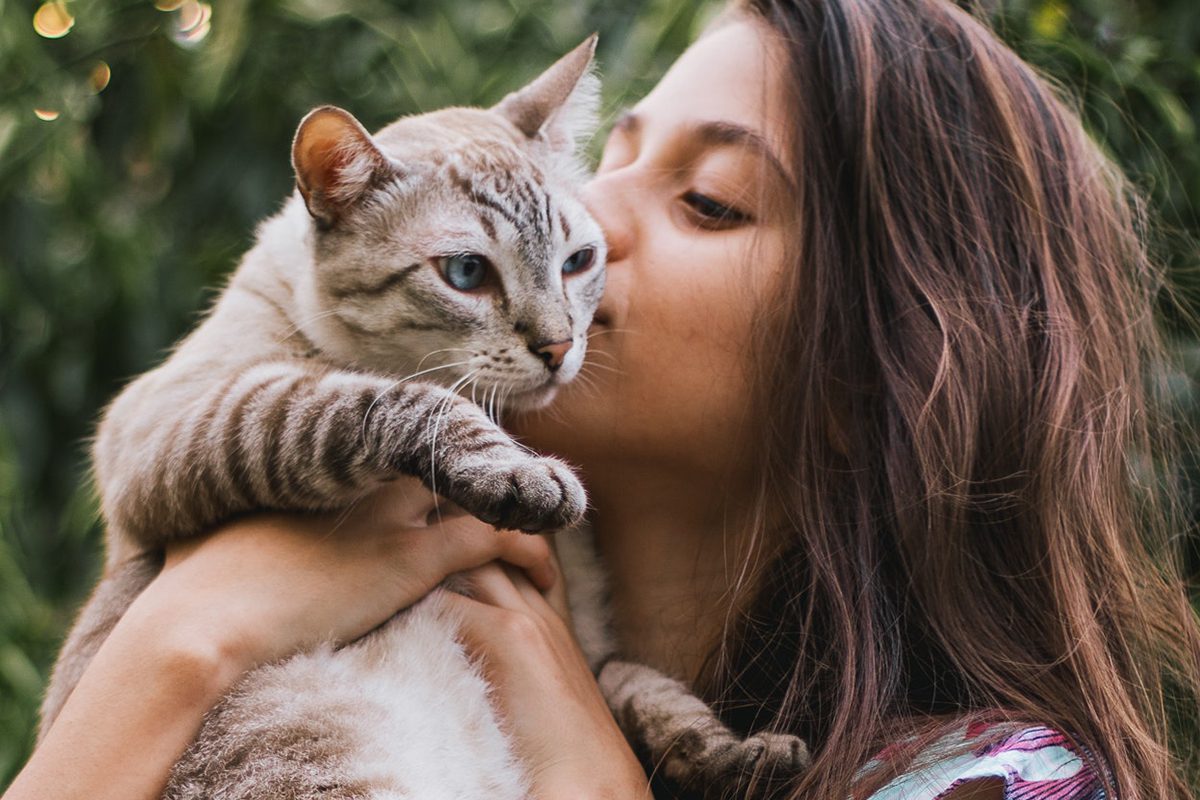
- Collect examples of relevant animation, illustration, advertising and branding
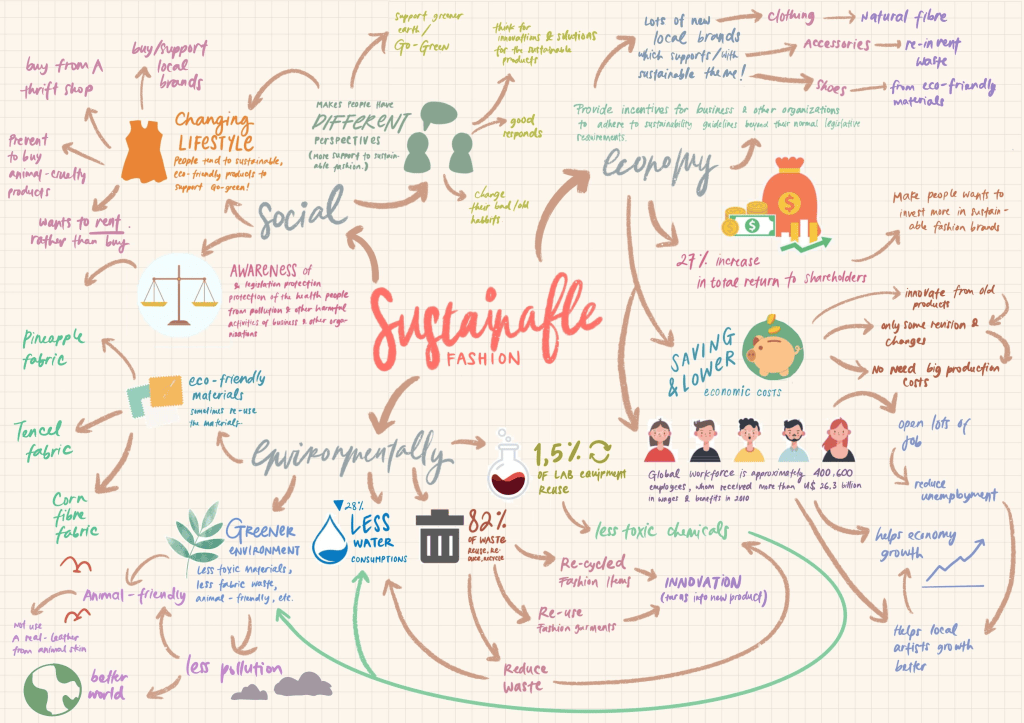
- Create a visual mood board/inspiration board. Consider how the idea of a “revolution in the world of cats” could be communicated visually
Task 2 – Present Ideas for your Brand Name, Personality & Logo – add to your research presentation
- Generate a range of possible brand names for the product
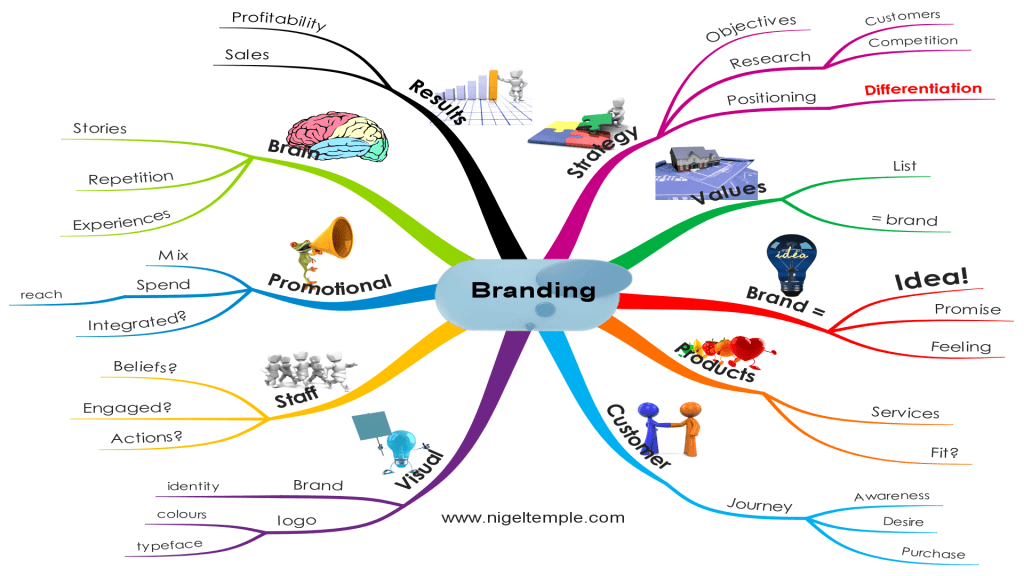
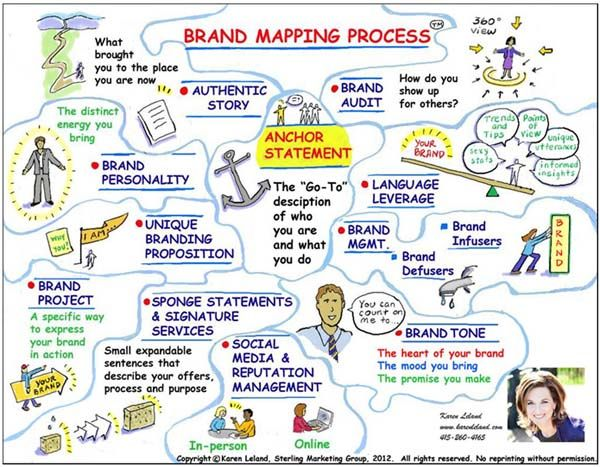
- Identify the brand’s personality using keywords – consider the intended audience and how the brand should communicate with them
- Produce thumbnail drawings for logos
- Explore typography, symbols, shapes and possible colour palettes
- Select and justify the strongest brand name, personality & logo
Remember – the brief asks for a brand name, personality and logo that are simple, readable and memorable.
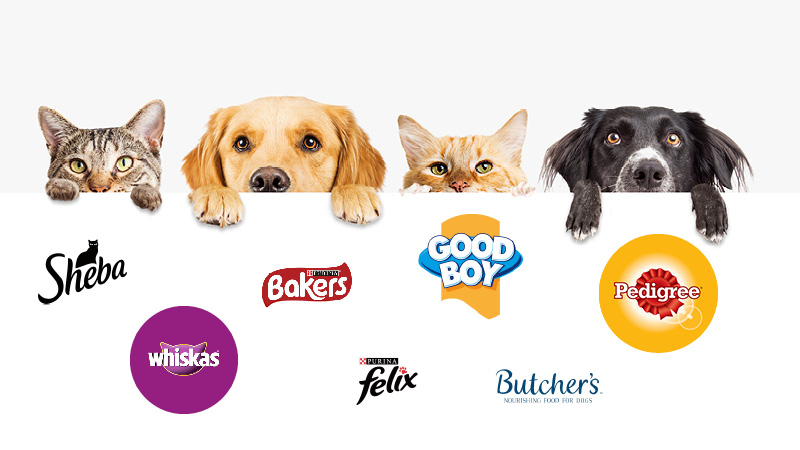
Questions to think about before creating your brand…
Step 1: Your Brand’s Big Idea
- Who is your water fountain for?
- What makes it different from other fountains?
- Why would someone switch?
- What problem are you solving?
- What is your one-line pitch?
- If this is vague, your brand will be generic.
Step 2: Brand Personality
- Define your brand like a person.
- If my brand walked into the room, how would it behave?
- Is it calm, hype, premium, underground, playful?
- What brands have a similar vibe?
- What tone of voice will it use?
- Write 5 personality traits.
- Don’t just use safe words like just “modern” or “cool” be specific.
Step 3: Target Audience
You cannot design for everyone:
- How old are they?
- Do they own lots of pets of just one?
- What cat products do they already own?
- What frustrates them about current cat products and water bowls?
- The clearer your audience, the stronger your brand.
Step 4: Visual Identity Decisions
- Make intentional choices.
- What is our signature colour?
- Light or dark interface?
- Clean or expressive style?
- Minimal or energetic?
- What shapes define your UI?
- What makes the brand recognisable instantly?
- Test: If the logo disappears, can people still recognise your brand?
Step 5: Sonic Identity
- What does the water fountain sound like?
- Does it have a sonic logo?
- Is the voice human, AI, or silent?
- What emotional mood should the audio create?
- How does sound support the brand personality?
Step 6: The Experience
- What is the killer feature?
- What moment makes people say “this is different”?
- What would people share on social media?
Week 2 – w/b 28th September – Continue with phase 1 of the brief…ideas around your brand name & logo, and research into your target audience & cat products
Continue to spend some time in your groups discussing & brainstorming ideas for phase 1 of the brief – Brand Creation! Include ideas about the following:
- Possible brand names for your cat water fountain
- Ideas around the look and colour of your brand
- Mood and personality of your brand – make sure it is relatable to a cat owner
- Logo ideas – can a 5 year old and an adult both understand it quickly?
- How you will make your brand unique
- Target audience
- Pet brands on the market
- Cat water fountains on the market
Questions to think about before creating your brand…
Step 1: Your Brand’s Big Idea
- Who is your water fountain for?
- What makes it different from other fountains?
- Why would someone switch?
- What problem are you solving?
- What is your one-line pitch?
- If this is vague, your brand will be generic.
Step 2: Brand Personality
- Define your brand like a person.
- If my brand walked into the room, how would it behave?
- Is it calm, hype, premium, underground, playful?
- What brands have a similar vibe?
- What tone of voice will it use?
- Write 5 personality traits.
- Don’t just use safe words like just “modern” or “cool” be specific.
Step 3: Target Audience
You cannot design for everyone:
- How old are they?
- Do they own lots of pets of just one?
- What cat products do they already own?
- What frustrates them about current cat products and water bowls?
- The clearer your audience, the stronger your brand.
Step 4: Visual Identity Decisions
- Make intentional choices.
- What is our signature colour?
- Light or dark interface?
- Clean or expressive style?
- Minimal or energetic?
- What shapes define your UI?
- What makes the brand recognisable instantly?
- Test: If the logo disappears, can people still recognise your brand?
Step 5: Sonic Identity
- What does the water fountain sound like?
- Does it have a sonic logo?
- Is the voice human, AI, or silent?
- What emotional mood should the audio create?
- How does sound support the brand personality?
Step 6: The Experience
- What is the killer feature?
- What moment makes people say “this is different”?
- What would people share on social media?
Week 1 – w/b 21st Sept – Brief Launch & Brainstorming
After the launch of your new brief spend some time in your groups brainstorming ideas for phase 1 of the brief – Brand Creation! Include ideas about the following:
- Possible brand names for your cat water fountain
- Ideas around the look and colour of your brand
- Mood and personality of your brand – make sure it is relatable to a cat owner
- Logo ideas – can a 5 year old and an adult both understand it quickly?
- How you will make your brand unique
- Target audience
- Cat/ animal product brands on the market
- Cat water fountains on the market