Winter Term Employer Brief – Cat Water Fountain
Media Brief
Deliverables – what Jelly expects from you:
- Brief and product research/ inspiration
- Brand name, personality and style
- A simple shot list
- A simple storyboard
- 30–60 second finished promotional video
- Evidence of editing/development
Music Brief
Deliverables – what Jelly expects from you:
- Brief and product research/ inspiration
- Brand name, personality and style
- Initial musical/audio ideas
- 30–60 second finished audio soundtrack
- Short brand jingle
- Audio ident
- Evidence of development/ production
Product from Brief:
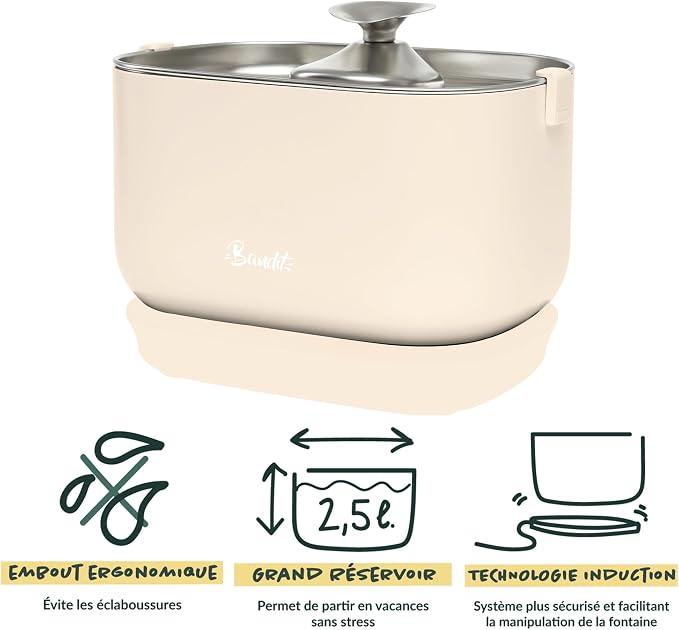
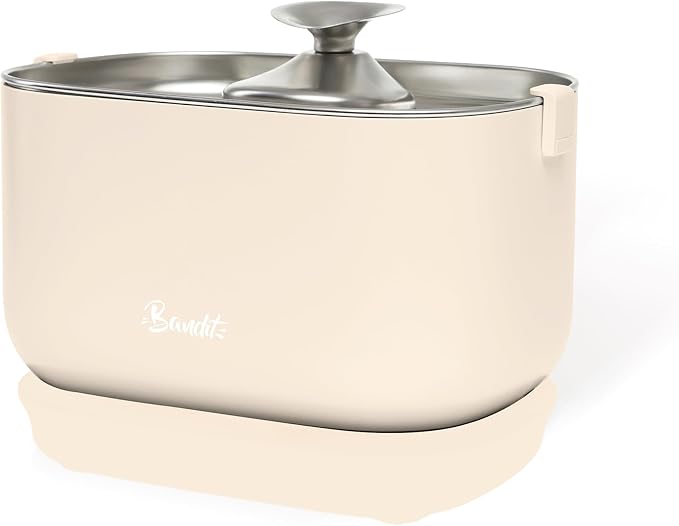
Bandit Wired Cat Water Fountain – 2.5L 4-Stage Filtration Ultra Quiet Lower 30dB Stainless Steel Dishwasher Safe Tray And Mouthpiece Cream.
Product Details – click on image then go to store:
Groups
| Sumneha & Renato |
| Tariq & Harnite |
| Ahmos & Kallum |
| Tiarna & Marley |
| Yassmin & Quan |
| Maira & Atmika |
| Simran & Fabio |
| Lei & Nazar |
Week 5 – w/b 19th October – Storyboard, Shot List & Soundtrack
This week Media students will plan and create a storyboard & shotlist for their 30-60 second promotional video (choose from a live-action TV commercial or a social media-style advert or a montage of product shots, graphics, voice-over and sound). Music students will start creating the soundtrack for the promotional video.
Media Students – see guidance below…
Storyboard
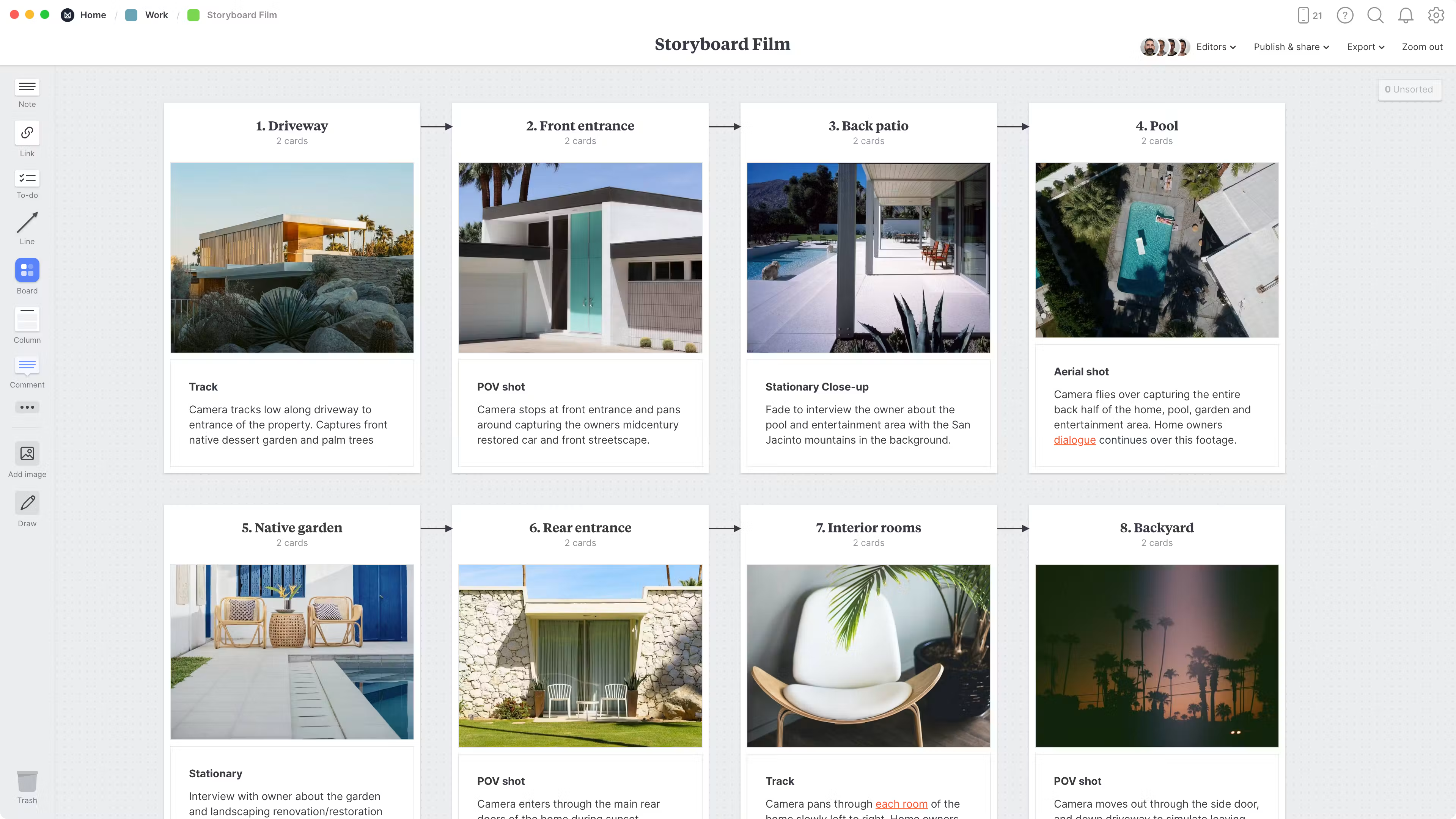
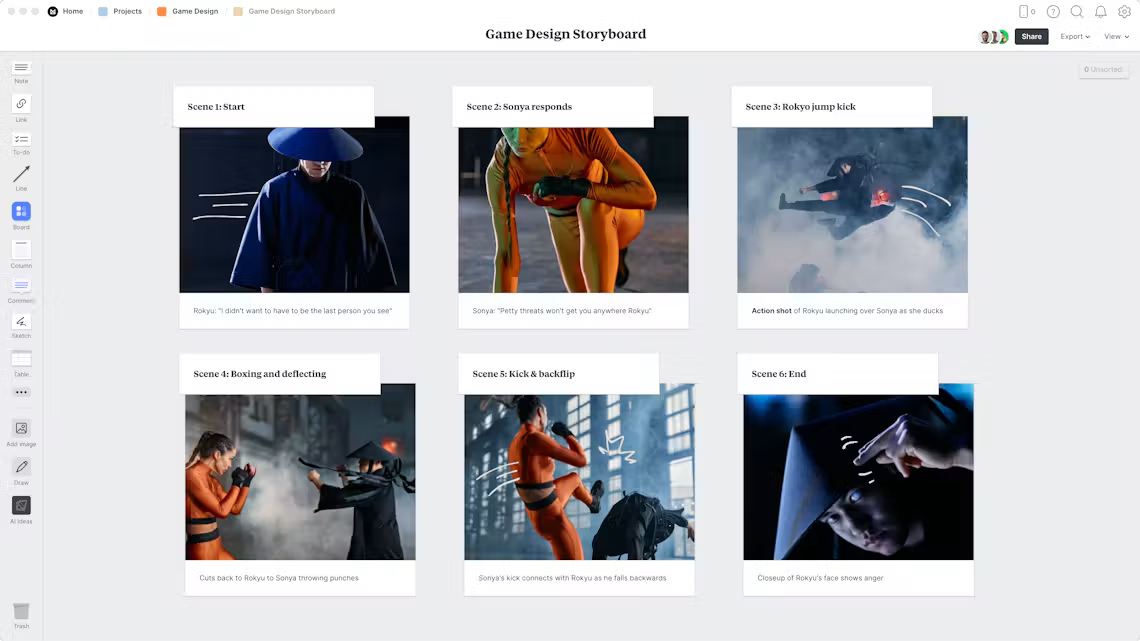
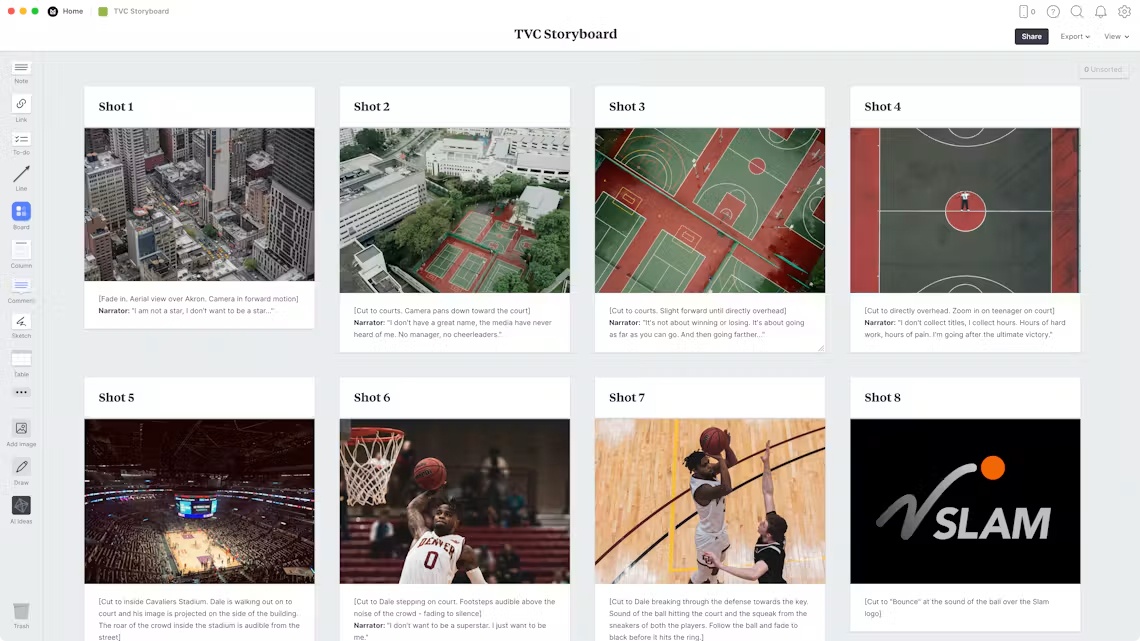
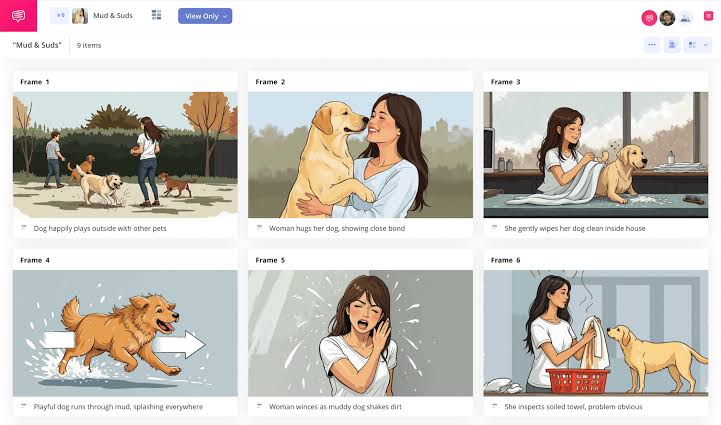
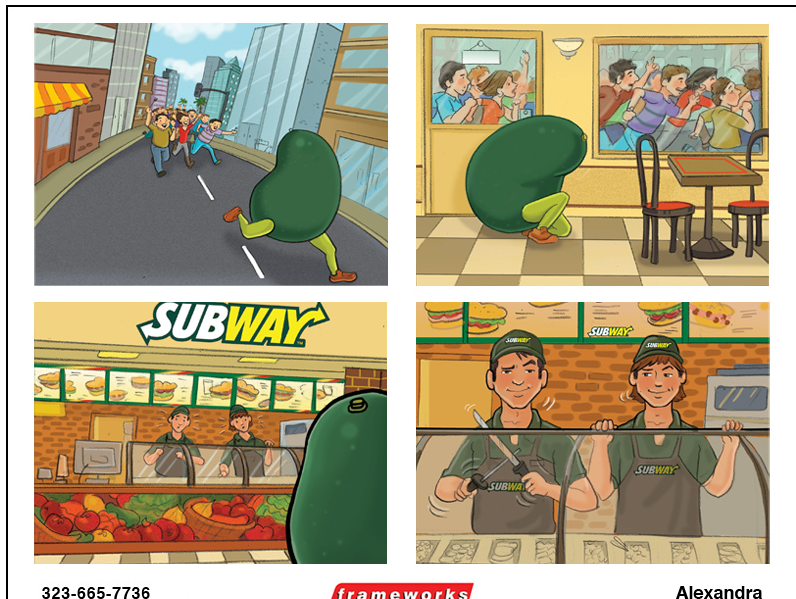
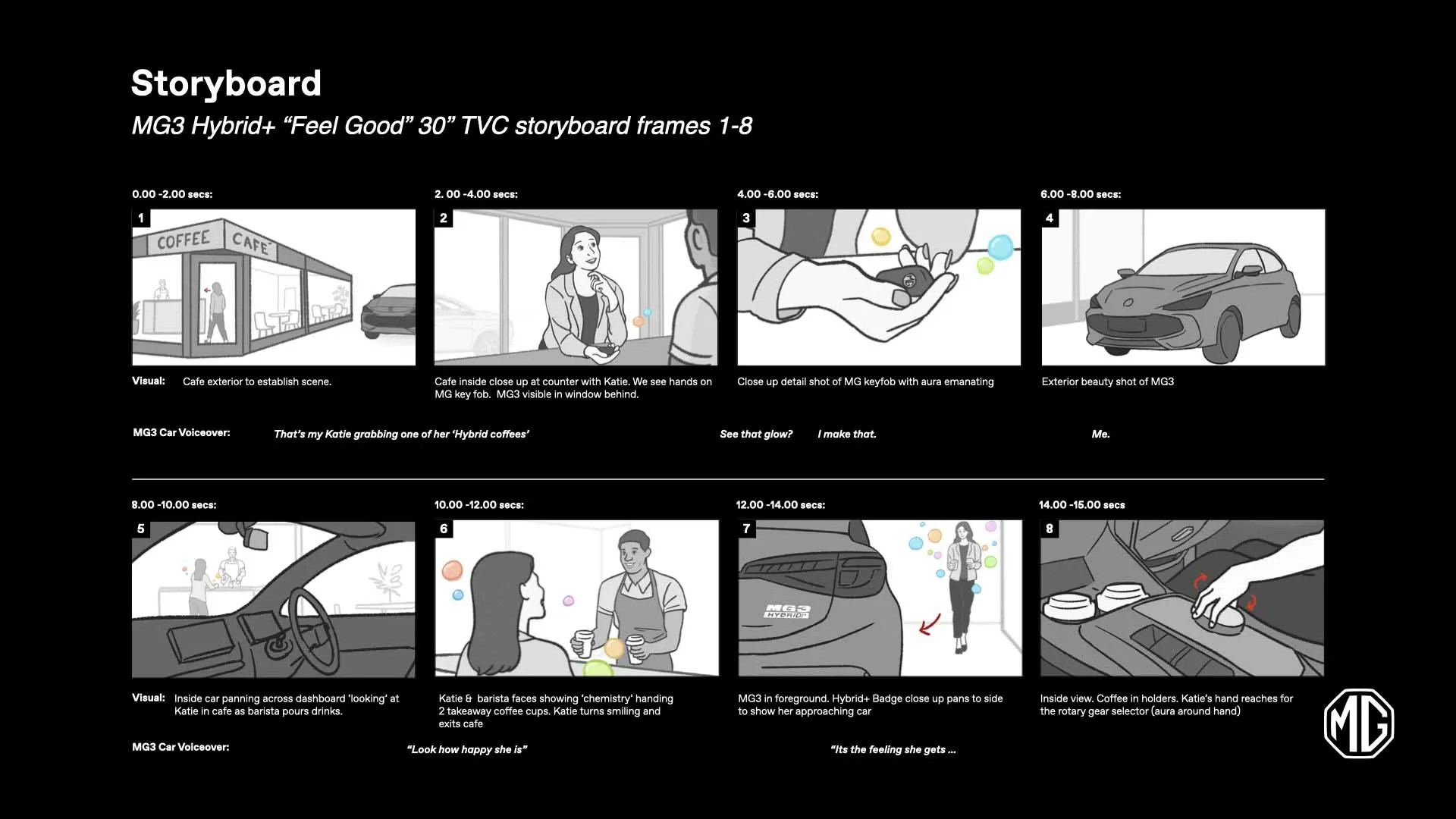
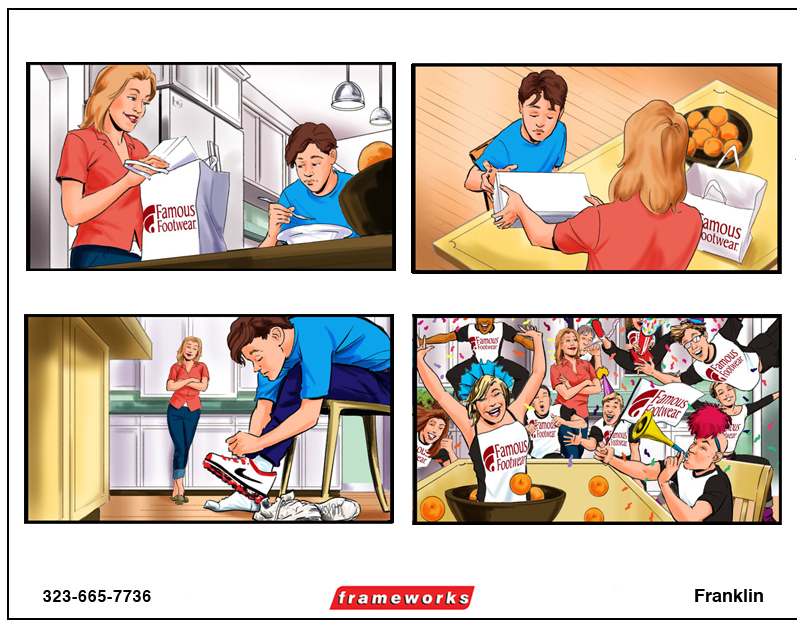
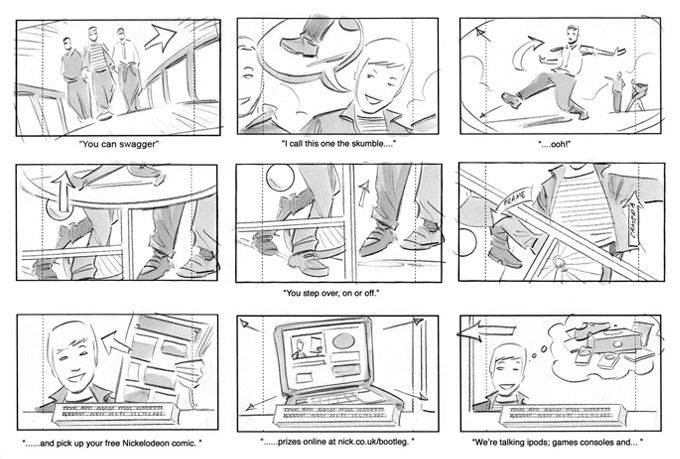
1. Create Your Storyboard (6–10 Frames)
Use Milanote, PowerPoint, or hand-drawn sketches to plan your promotional video.
Each frame should represent a key moment in your advert. Remember to refer back to the sequences from the original brief.
For each frame, include:
- Camera shot type (e.g. close-up, wide shot, point-of-view, tracking shot)
- A sketch or image (can be rough)
- Action / movement (what is happening on screen?)
- Audio notes (voice-over, music, sound effects, dialogue)
- On-screen text (brand name, slogan, product information, captions)
2. Show the Transformation
Your video should communicate the journey from the old way of drinking water to the new Cat Water Fountain.
Think about:
- How will you show the ordinary or dull world?
- How will you reveal the new fountain?
- How will you make the transformation feel exciting?
- How will you demonstrate the benefits of the product?
Try to create a clear before-and-after story.
3. Integrate the Brand Clearly
The audience should easily recognise the product and brand.
Include:
- Brand name and logo
- Brand colours and visual style
- Product features and benefits
- A memorable slogan or call to action
Avoid creating a series of random product shots. Your storyboard should communicate a clear message or story.
4. Think About Structure
Beginning
- Grab the audience’s attention.
- Introduce the problem or the ‘old way’ of drinking from a traditional bowl.
Middle
- Build anticipation.
- Introduce and showcase the Cat Water Fountain.
- Highlight key features and benefits.
End
- Reveal the product fully.
- Show why it is an improvement.
- End with the logo, slogan and key message.
5. Visual & Technical Planning
Think carefully about how production techniques can help sell the product.
Annotate your storyboard with ideas for:
- Camera angles and shot types
- Lighting
- Colour choices
- Editing pace
- Transitions
- Sound effects
- Voice-over
- Music
Use arrows, notes and symbols to show movement, camera direction and editing effects.
6. Creativity & Originality
Choose a style that best communicates your idea:
- Live-action TV commercial
- Social media advert
- Product montage
- Hybrid advert combining graphics and video
Consider using:
- Visual contrasts between the ‘old”‘and ‘new’ ways of drinking
- Humour
- Fast-paced editing
- Dramatic product reveals
- Creative camera angles
- Eye-catching graphics and text
Think about what would make your advert memorable and encourage people to choose the Cat Water Fountain.
Shot List
Create a detailed shot list for your TV commercial or social media advert or montage. You may use the template below.
Word Version
Example of Shot List
Music Students – see guidance below…
Soundtrack, Jingle and Ident for your 30-60 Second Promotional Video
Your audio should communicate the journey from the ordinary world of traditional water bowls to the exciting reveal of a fresh, innovative Cat Water Fountain.
Think about:
- Who is the target audience?
- What emotions should the audience feel?
- How can sound communicate freshness, movement and innovation?
- What makes a sound memorable?
1. Plan Your Soundtrack Structure
Your soundtrack should match the narrative of the promotional video.
Beginning (0–10s)
Introduce the ordinary world.
Consider:
- Simpler sounds
- Slower tempo
- Minimal instrumentation
- A sense of routine or repetition
Middle (10–45s)
Build interest and anticipation.
Consider:
- Adding layers
- Increasing energy
- Developing a memorable melody or motif
- Introducing sounds that suggest movement or flowing water
Ending (45–60s)
Support the product reveal and brand message.
Consider:
- A strong musical climax
- Positive, uplifting emotions
- A memorable ending that leads into the jingle or audio ident
Tip: Think about how the music changes as the advert moves from the ‘old way’ of drinking to the ‘new’ Cat Water Fountain.
2. Choose Sounds & Instruments Carefully
Select sounds that support your creative concept.
Examples:
Fresh & Modern
- Synths
- Electronic sounds
- Light percussion
- Bright piano
Natural & Refreshing
- Water recordings
- Acoustic instruments
- Nature sounds
- Soft textures
Playful & Fun
- Marimba
- Ukulele
- Plucked sounds
- Percussive effects
Experiment with:
- Tempo
- Dynamics
- Texture
- Layering
- Harmony
3. Create a Brand Jingle
Develop a short musical idea that people will remember.
Your jingle should:
- Be 5–10 seconds long
- Be easy to recognise
- Reflect your Cat Water Fountain brand
- Work alongside a slogan or product reveal
Examples:
- A short melody
- A sung phrase
- A catchy instrumental hook
4. Create an Audio Ident
Create a very short sound logo (2–3 seconds).
Think about:
- What sound represents flowing water?
- Could water droplets become percussion?
- Could a short melody become recognisable?
- How can you make your brand instantly identifiable?
Your audio ident should be simple, memorable and distinctive.
5. Produce & Record Your Audio
Use your preferred DAW:
- Logic Pro
- Ableton Live
- GarageBand
- FL Studio
- Cubase
- Pro Tools
Remember to:
- Layer sounds carefully
- Avoid overcrowding the mix
- Balance levels effectively
- Create a professional sound
6. Test & Refine
Listen to your work alongside:
- Storyboards
- Mood boards
- Visual concepts
- Promotional video ideas
Ask yourself:
- Does the music fit the visuals?
- Does it support the pacing?
- Does it communicate excitement and transformation?
- Is the jingle memorable?
- Is the audio ident distinctive?
Make improvements based on feedback from peers and staff.
7. Explain Your Creative Choices
Write a short reflection (150–250 words) explaining:
- Why your soundtrack suits your Cat Water Fountain brand
- How you communicated the journey from old to new
- Why you chose your instruments and sounds
- How your jingle supports your brand
- How your audio ident could become recognisable to audiences
Examples of iconic soundtracks from big brands…
Week 4 – w/b 12th October – Production & Music Mood Boards
Create 1 or 2 mood boards for how you envision your promotional video to look like (Media Students) and how your brand soundtrack will sound like for the promotional video (Music Students)
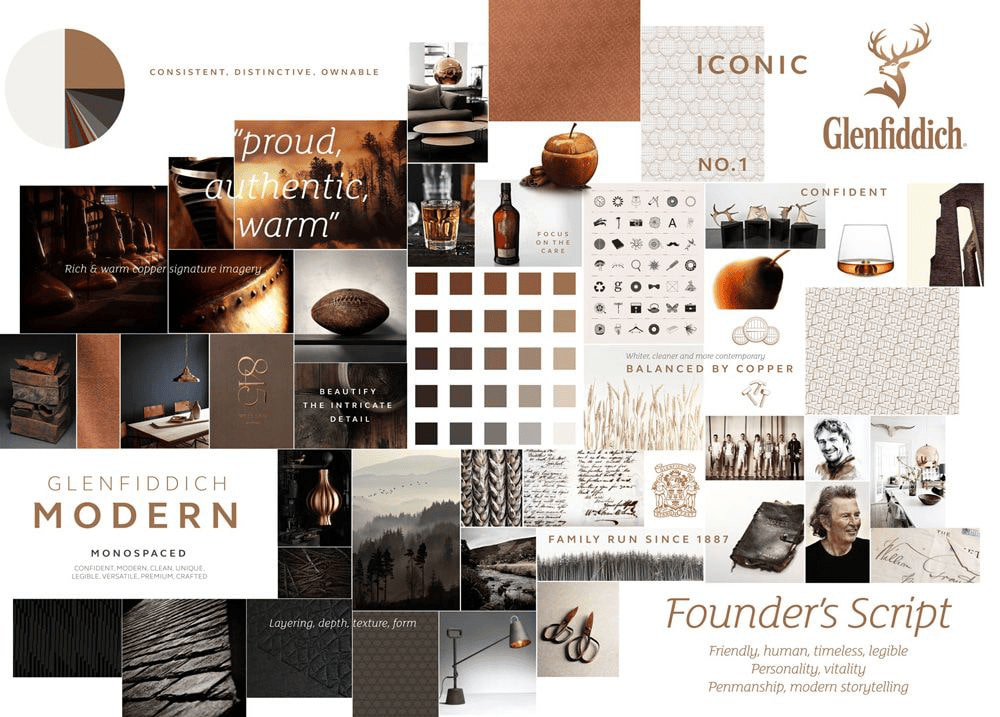
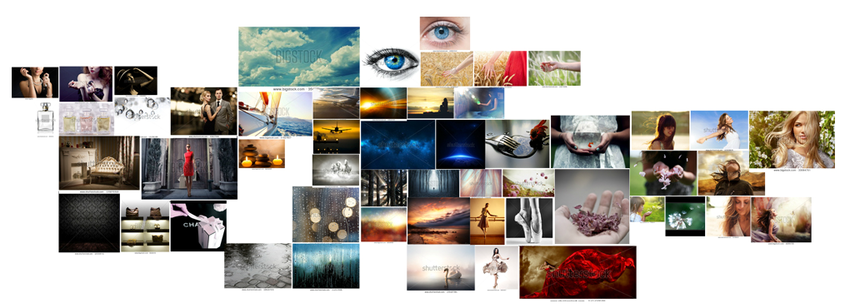
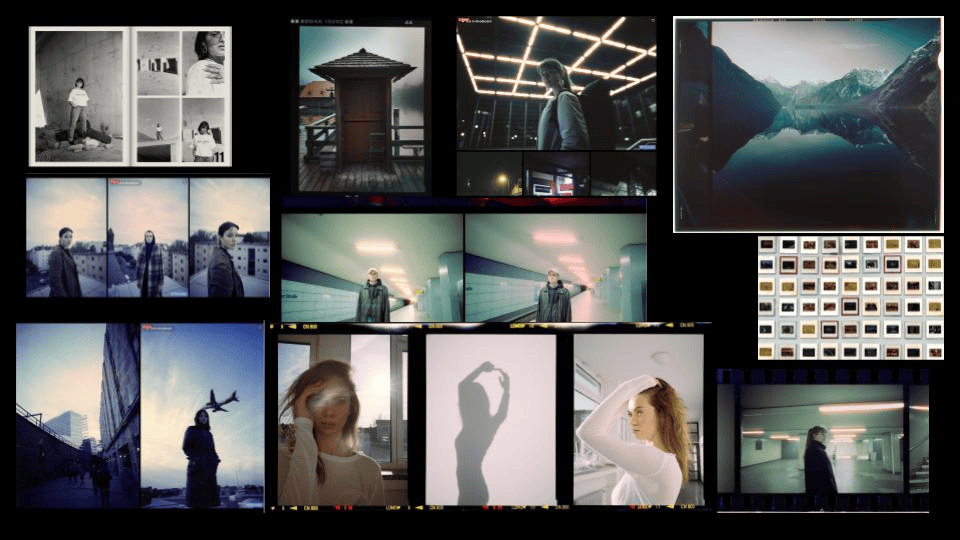
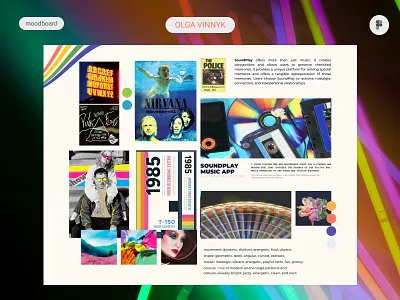
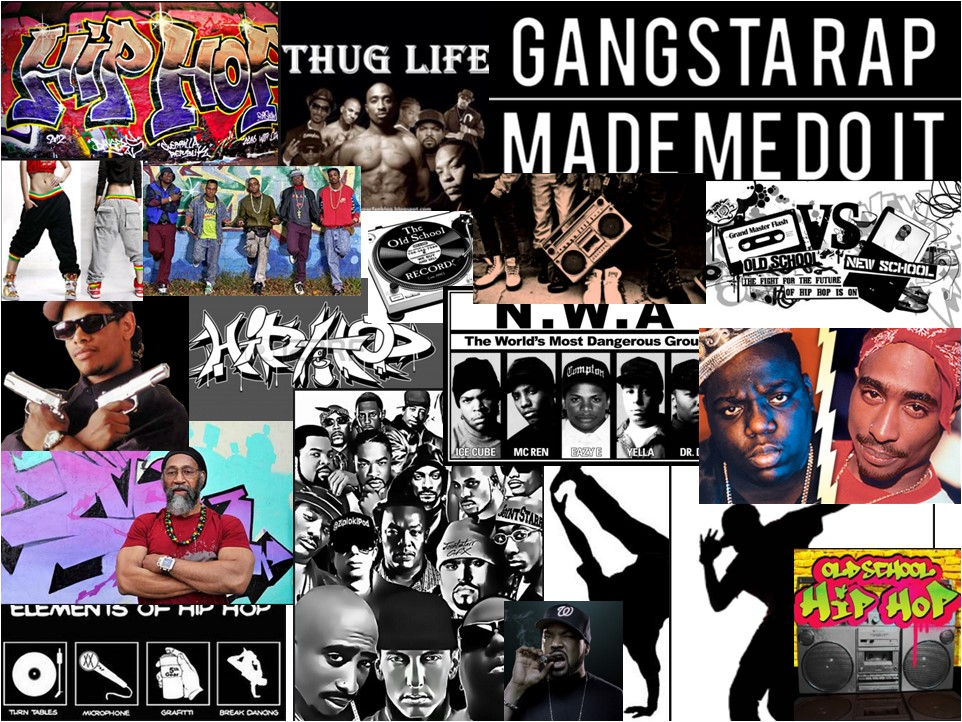
A mood board can be a visual & sound tool that expresses the theme, concept &inspiration for a production idea. It should communicate emotion, style, energy & atmosphere — not just be a collage of pretty pictures! Creatives in the industry like to use digital platforms such as Milanote & Canva to produce theirs!
MEDIA STUDENTS; Decide on whether you will be creating a 30-60 second live action TV commercial or a social media style advert or a montage of product shots, graphics & voiceovers….Your Mood Boards for whichever you choose to do should include the following…
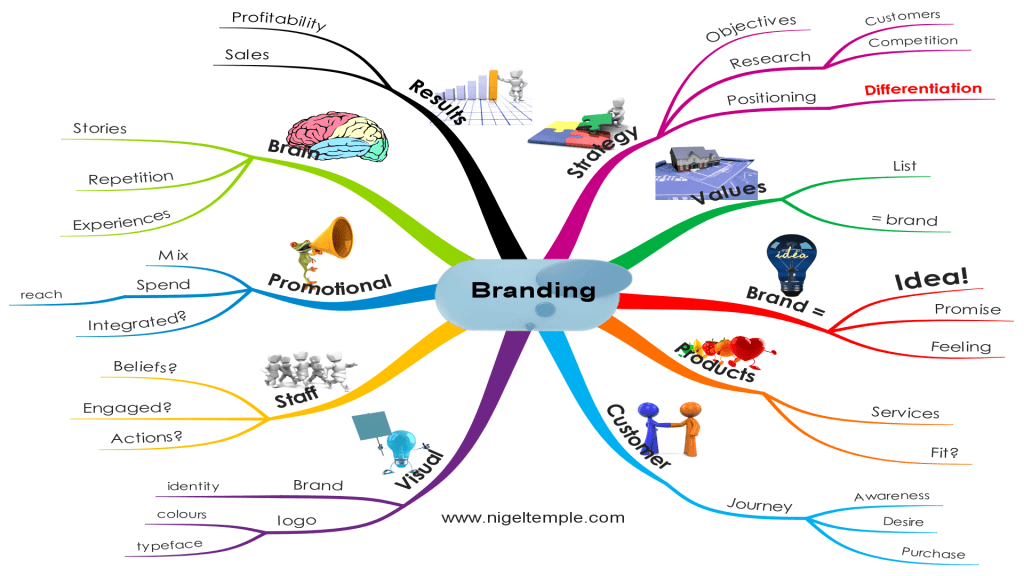
- Brand Inspiration – Logos, colours, packaging, pet brands, and product advertising that inspire the visual identity of your Cat Water Fountain brand.
- Setting & Location – Images showing where your advert could take place (e.g. living room, kitchen, pet café, studio, garden, modern home, social media-style set – refer to the sequences from the brief).
- Lighting & Colour Palette – Examples of colours and lighting that support your idea. Consider how you might contrast: The dull, old world of traditional water bowls to the exciting, fresh world of the new Cat Water Fountain!
- Camera Style & Framing – Screenshots or stills showing examples of your visual approach: Close-ups, Product shots, Wide shots, Tracking shots, Dynamic angles, Slow-motion details, Social media-style framing.
- Cats, Characters & Lifestyle Imagery – Images of cats, pet owners, lifestyles, reactions, expressions, or characters that could feature in your advert.
- Sound & Emotion Cues – Words, music styles, sound effects, or voice-over ideas that communicate the mood of your advert. For example, is it: Playful, Dramatic, Futuristic, Humorous, Premium, Exciting.
- Typography & Graphics – Fonts, on-screen text styles, motion graphics, social media graphics, and your branding idea that could be used in the advert.
- Key Slogan – A phrase that communicates your concept and the product’s main benefit.
Promotional video mood board examples:
MUSIC STUDENTS; A reminder that you will need to produce a 30–60 second original soundtrack for the commercial film from the brief, a short brand jingle and a memorable audio ident. Your Mood Boards for your music should include the following…
1. Brand Identity – Images, colours, keywords and visual references that represent your Cat Water Fountain brand.
Is it…
- Modern or playful?
- Premium or affordable?
- Futuristic or natural?
- Fun or sophisticated?
2. Musical Style & Genre – What style of music would suit the commercial?
Examples:
- Electronic
- Pop
- Ambient
- Cinematic
- Funk
- Lo-fi
- Acoustic
- Upbeat Corporate
- Hybrid (music + sound design)
Choose a genre and explain briefly why it fits the product and target audience.
3. Artist & Track References – Find examples of music, jingles or advertising campaigns that inspire your ideas.
Include:
- Song titles
- Artists/composers
- Soundtracks
- Commercials with memorable music
Add links or QR codes where possible.
4. Mood & Emotion – Consider the emotional journey of the commercial. How should the audience feel?
For example:
- Curious
- Playful
- Excited
- Refreshed
- Inspired
- Futuristic
Think about how the music can help communicate the transformation from an ordinary water bowl to an exciting new fountain.
5. Tempo & Energy – What pace should your soundtrack have?
Consider:
- Slow and dull at the beginning?
- Building excitement during the reveal?
- Energetic and memorable at the end?
Use words such as:
- Slow
- Mid-tempo
- Upbeat
- Driving
- Dynamic
6. Instrumentation & Sound Design- Identify the sounds you could use in your soundtrack.
Examples:
- Synthesizers
- Piano
- Guitar
- Percussion
- Vocals
- Sound effects
- Water sounds
- Bubbles
- Flowing streams
- Digital effects
Include images and links to reference sounds if possible.
7. Audio Branding Inspiration
Research examples of memorable:
- Brand jingles
- Audio logos
- Sonic branding
- TV advert music
Think about:
- What makes them memorable?
- How long are they?
- How could you create a recognisable sound for the Cat Water Fountain brand?
8. Visual Pairing
Include images that match the sound you want to create.
For example:
- Modern interiors
- Happy cats
- Flowing water
- Product photography
- Technology
- Nature
- Bright colours
Think about how music and visuals work together.
9. Colour Palette & Sound – Choose colours that reflect your soundtrack.
For example:
- Blue = fresh, clean, calming
- Green = natural, healthy
- White = modern, minimal
- Bright colours = energetic and playful
10. Keywords / Brand Message – Create 3-5 keywords that describe your soundtrack.
Examples:
- Fresh
- Flowing
- Modern
- Playful
- Innovative
Music soundtrack mood board examples:

Week 3 – w/b 5th October – Present your Research & Ideas for Phase 1 – Brand Creation
Task 1 – Present your research in a PowerPoint or Canva presentation
- Identify the target audience & purpose
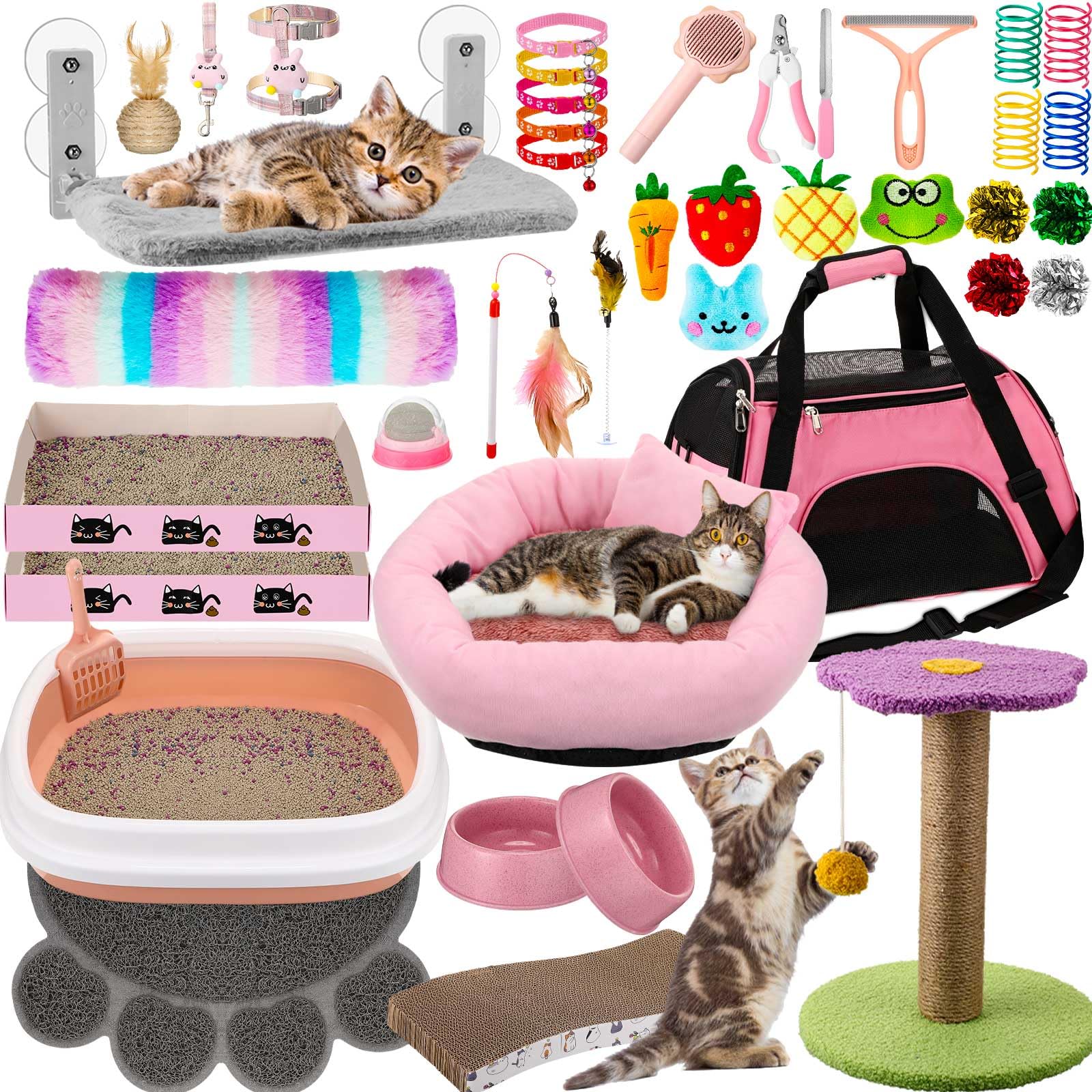
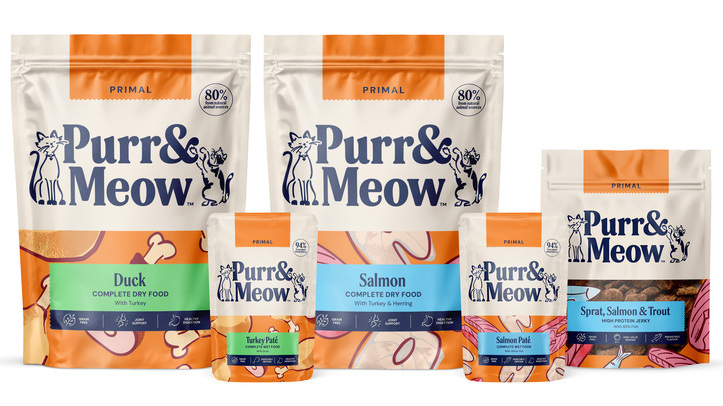
- Research existing cat products, water fountains and pet brands
- Collect examples of relevant animation, illustration, advertising and branding
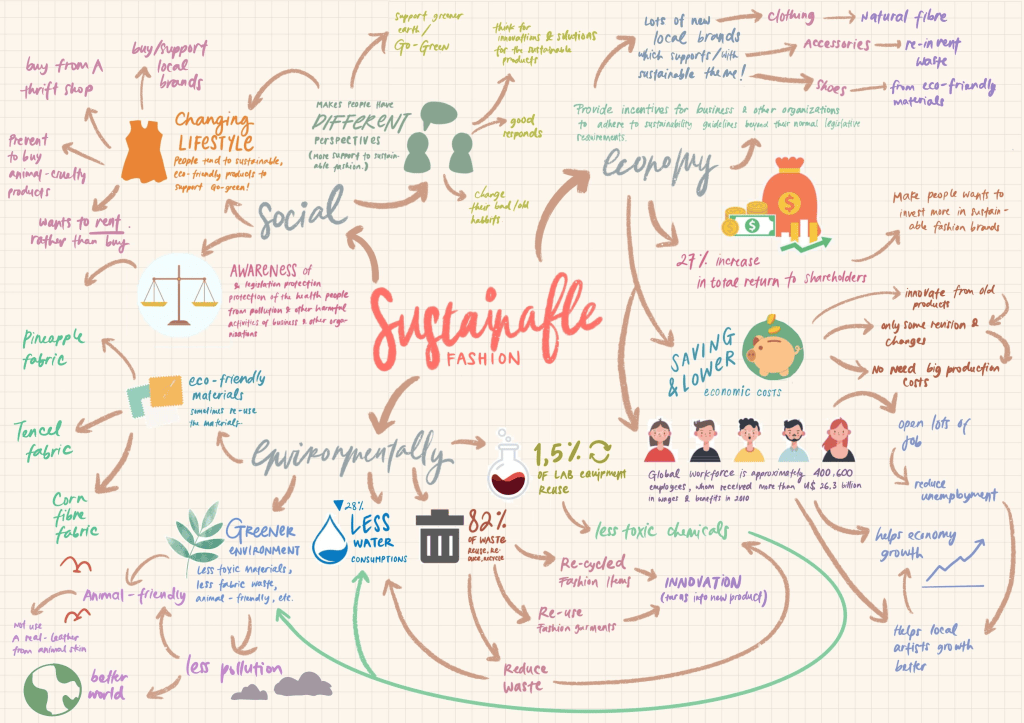
- Create a visual mood board/inspiration board. Consider how the idea of a “revolution in the world of cats” could be communicated visually
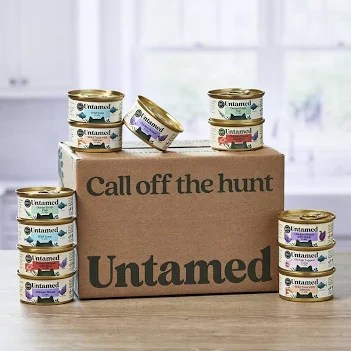


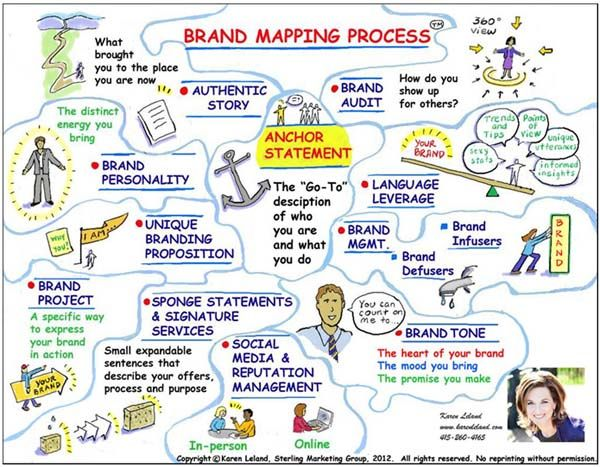
Task 2 – Present Ideas for your Brand Name, Personality & Logo – add to your research presentation
- Generate a range of possible brand names for the product
- Identify the brand’s personality using keywords – consider the intended audience and how the brand should communicate with them
- Produce small sketch ideas for logos or a visual identity/style
- Explore typography, symbols, shapes and possible colour palettes
- Select and justify the strongest brand name, personality & logo/visual identity
Remember – the brief asks for a brand name, personality and logo that are simple, readable and memorable.
Questions to think about before creating your brand…
Step 1: Your Brand’s Big Idea
- Who is your water fountain for?
- What makes it different from other fountains?
- Why would someone switch?
- What problem are you solving?
- What is your one-line pitch?
- If this is vague, your brand will be generic.
Step 2: Brand Personality
- Define your brand like a person.
- If my brand walked into the room, how would it behave?
- Is it calm, hype, premium, underground, playful?
- What brands have a similar vibe?
- What tone of voice will it use?
- Write 5 personality traits.
- Don’t just use safe words like just “modern” or “cool” be specific.
Step 3: Target Audience
You cannot design for everyone:
- How old are they?
- Do they own lots of pets of just one?
- What cat products do they already own?
- What frustrates them about current cat products and water bowls?
- The clearer your audience, the stronger your brand.
Step 4: Visual Identity Decisions
- Make intentional choices.
- What is our signature colour?
- Light or dark interface?
- Clean or expressive style?
- Minimal or energetic?
- What shapes define your UI?
- What makes the brand recognisable instantly?
- Test: If the logo disappears, can people still recognise your brand?
Step 5: Sonic Identity
- What does the water fountain sound like?
- Does it have a sonic logo?
- Is the voice human, AI, or silent?
- What emotional mood should the audio create?
- How does sound support the brand personality?
Step 6: The Experience
- What is the killer feature?
- What moment makes people say “this is different”?
- What would people share on social media?
Week 2 – w/b 28th September – Continue with phase 1 of the brief…ideas around your brand name, personality & style, and research into your target audience & cat products
See instructions from week 1, below…
Week 1 – w/b 21st Sept – Brief Launch & Brainstorming
After the launch of your new brief spend some time in your groups brainstorming and discussing ideas for phase 1 of the brief – Brand Creation! Include ideas about the following:
- Possible brand names for your cat water fountain
- Ideas around the look and colour of your brand
- Mood, personality & sound of your brand – make sure it is relatable to a cat owner
- Logo style ideas – can a 5 year old and an adult both understand it quickly?
- How you will make your brand unique?
- Target audience
- Cat/ pet brands
- Cat water fountains/ products on the market