Induction Project – Order & Chaos
Important Dates & Resources
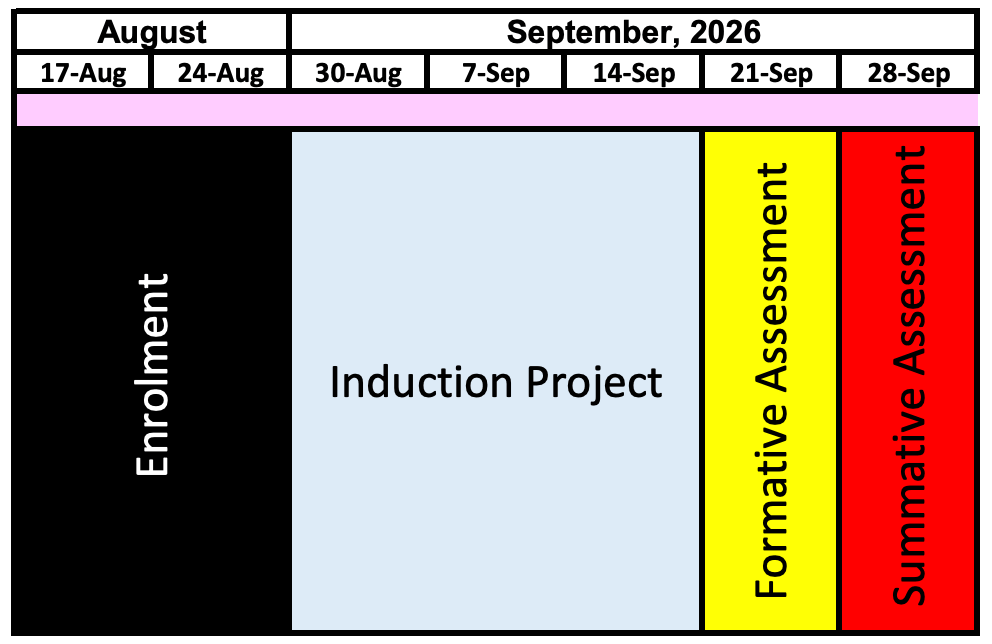
| Project Launch | w/c 1st Sep 2026 |
| Formative Feedback | w/c 21st Sep 2026 |
| Target Completion | w/c 21st Sep 2026 |
| Summative Feedback | w/c 28th Sep 2026 |
WEEK 4- WC/21st SEPT
This week…
Formative Assessment Week


- A way to go, that will get you working in pairs…In developing your Asset(s), build an ordered structure and take through processes of deconstruction or disorder- this might work quite well with the facade (front) of a building, but you can choose anything that might be seen as an Asset in a game space.
- Construct → photograph → Apply gradual chaos→ photograph again
- Scan your ordered Asset
- Scan your Chaotic Asset
- Reflection-What were your thoughts and how did you develop these
- Evaluation-What was successful? Use the question sheet for this task
- Task set by Charlie/Aslan on MS Teams- Week 4
Checklist for 3D
| Unit 4- Researching a Specialist Industry Practice | 3D Tasks to Complete |
| LO1 | |
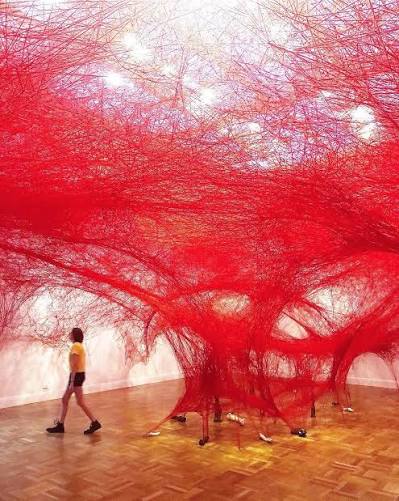
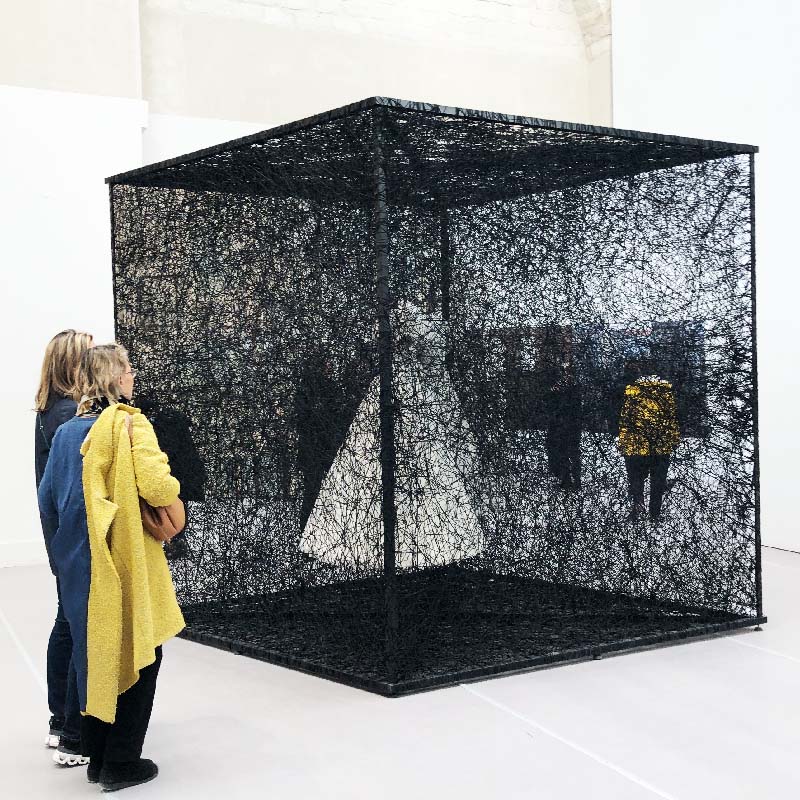
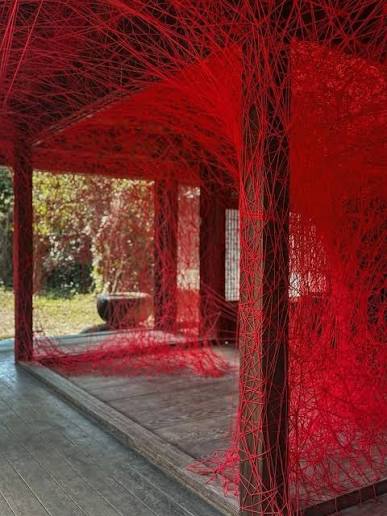
| LO2 | Research- Artists Richard Serra Chiharu Shiota |
| LO4 | Game Designer Research Toby Fox Tetsuya Mizuguchi Hideo Kojima Paired Mindmap- game designers/developers |
| LO5 | |
| Unit 5- Specialist Technical Skills Development | 3D Tasks to Complete |
| LO1 | Drawing System- Asset Development_ Isometric or front, side and back Elevations |
| LO3 | Design development – Thumbnail Sketches (A3 full) – Elevation or Isometric studies/ developed / technical drawing |
| LO4 | Pair work 2x physical pieces (Assets) – 1x Order Asset – 1x Chaos Asset Or 1x practical piece. – Order to Chaos Asset. |
| LO5 | Reflection of physical piece(s) |
Timelapse of a Decaying Structure (Ai)
WEEK 3 – WC/14th Sept
This week…
- In your pairs, plan the construction of your Asset by using isometric drawing methods, from your initial sketches (last week)
- Photograph/ Record the stages of your asset development.
- In researching, identify sources of inspiration, eg artists, game developers mentioned in previous weeks- how and why have they influenced your work- use some of your own sources if necessary
- Task set by Charlie on MS Teams- Week 3
Creating an Isometric Drawing
Options for Asset Models
| Asset | Order (State) | Transition (State) | Chaos |
| Building | Symmetrical | Cracked | Collapsing |
| Tree | Geometric | Twisted | Mutated |
| Machine | Perfect | Damaged | Exploded |
| Road | Straight | Cracked | Fragmented |
| Garden | Repeated | Overgrown | Wild |
| Statue | Symmetrical | Broken | Fragmented |
| Door | Perfect | Distorted | Deconstructed |
| Robot | Identical | Damaged | Mutated |
| Floor | Grid | Warped | Random |
| Lighting | Regular | Flickerlng | Uncontrolled |
WEEK 2 – WC/7th Sept
This week…
- Mind map- In pairing, choose and identify how the suggested game designers use Order & Chaos in their work.
- Present thoughts to other groups.
- Make a list of physical assets, for eg., a building/architecture or sound effects, used to support the theme of Order & Chaos.
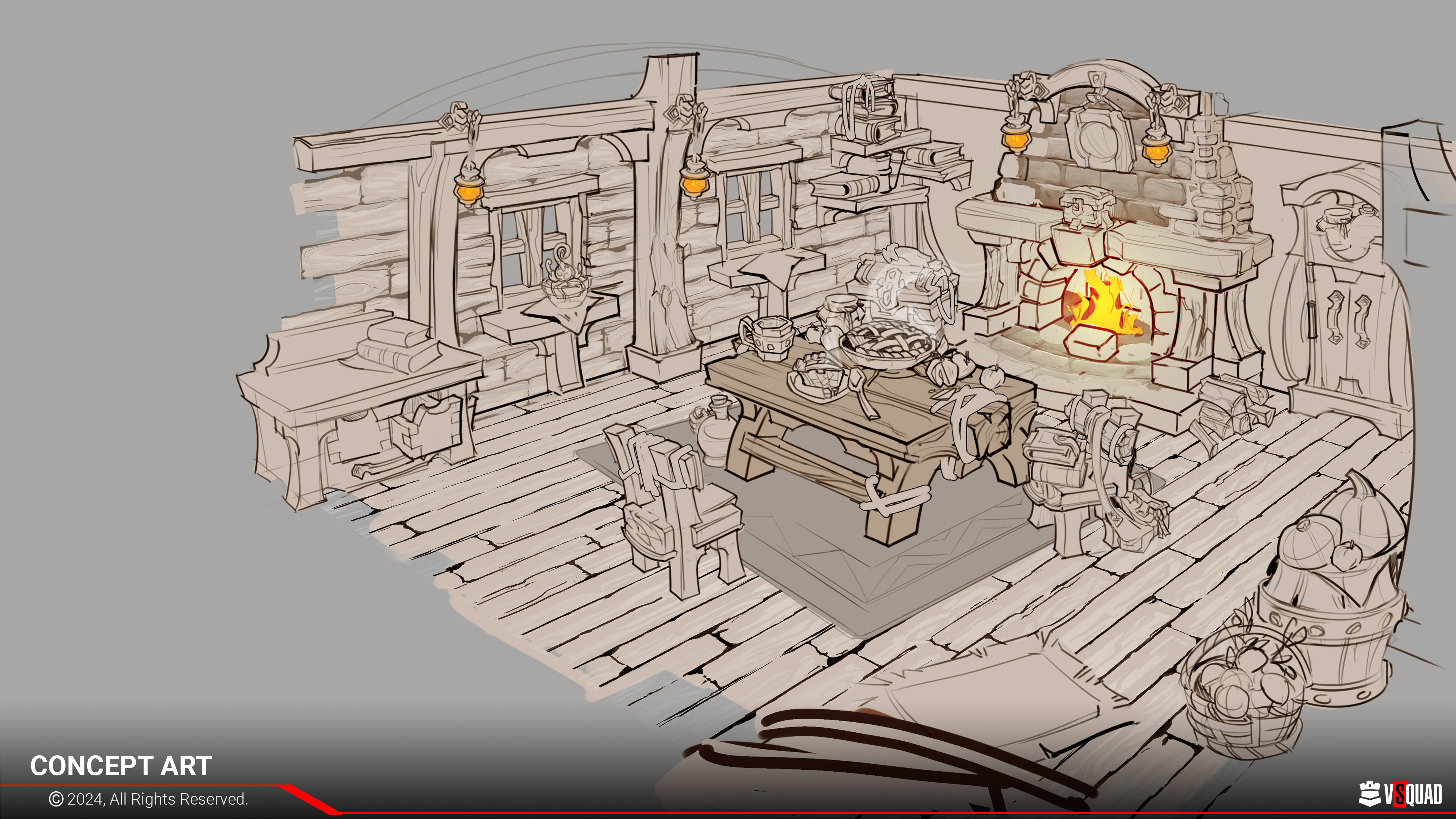
- In your pairing, plan and design 2 physical assets for a game environment. Your assets can be a physical space or an object in the game.
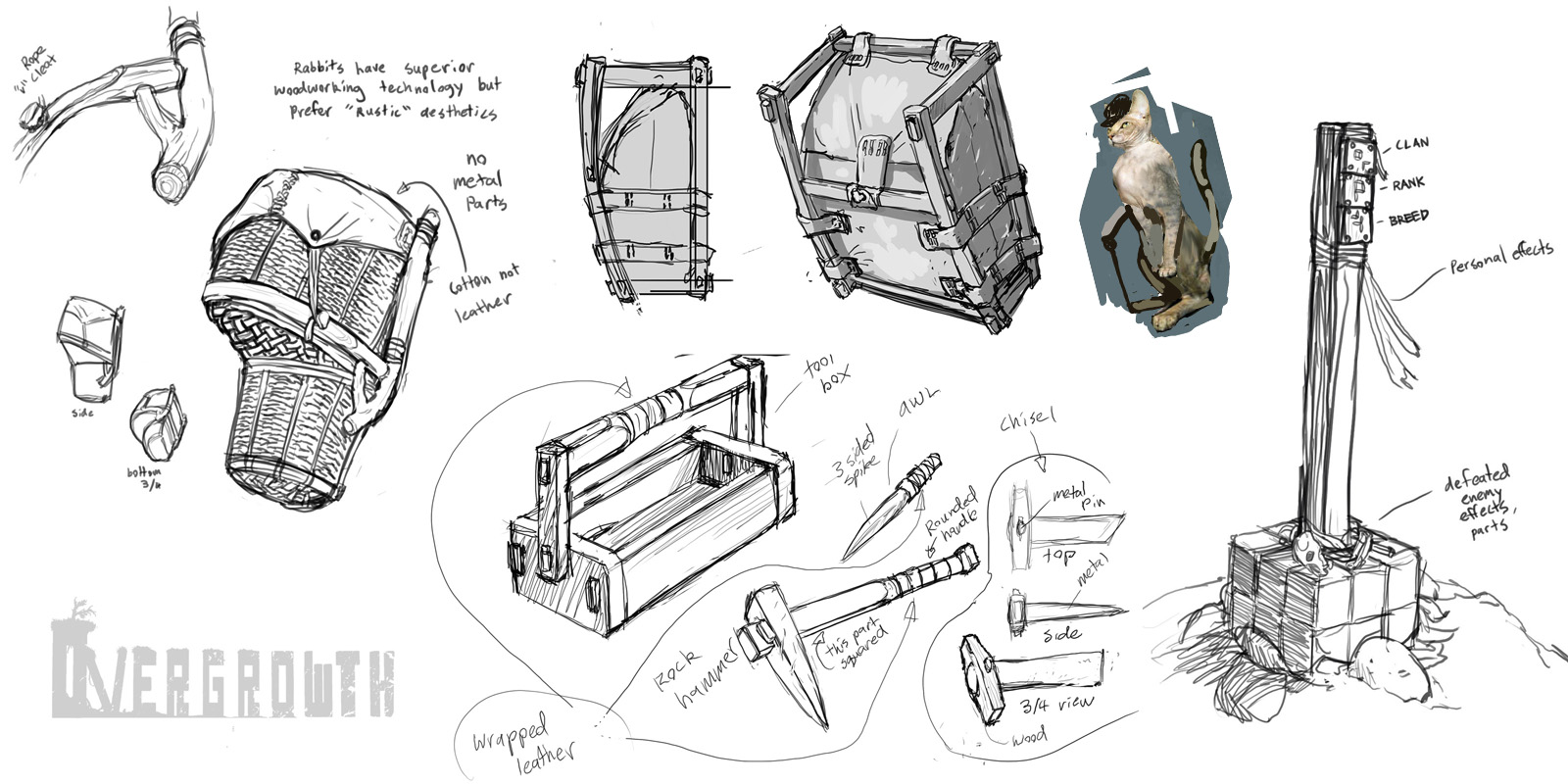
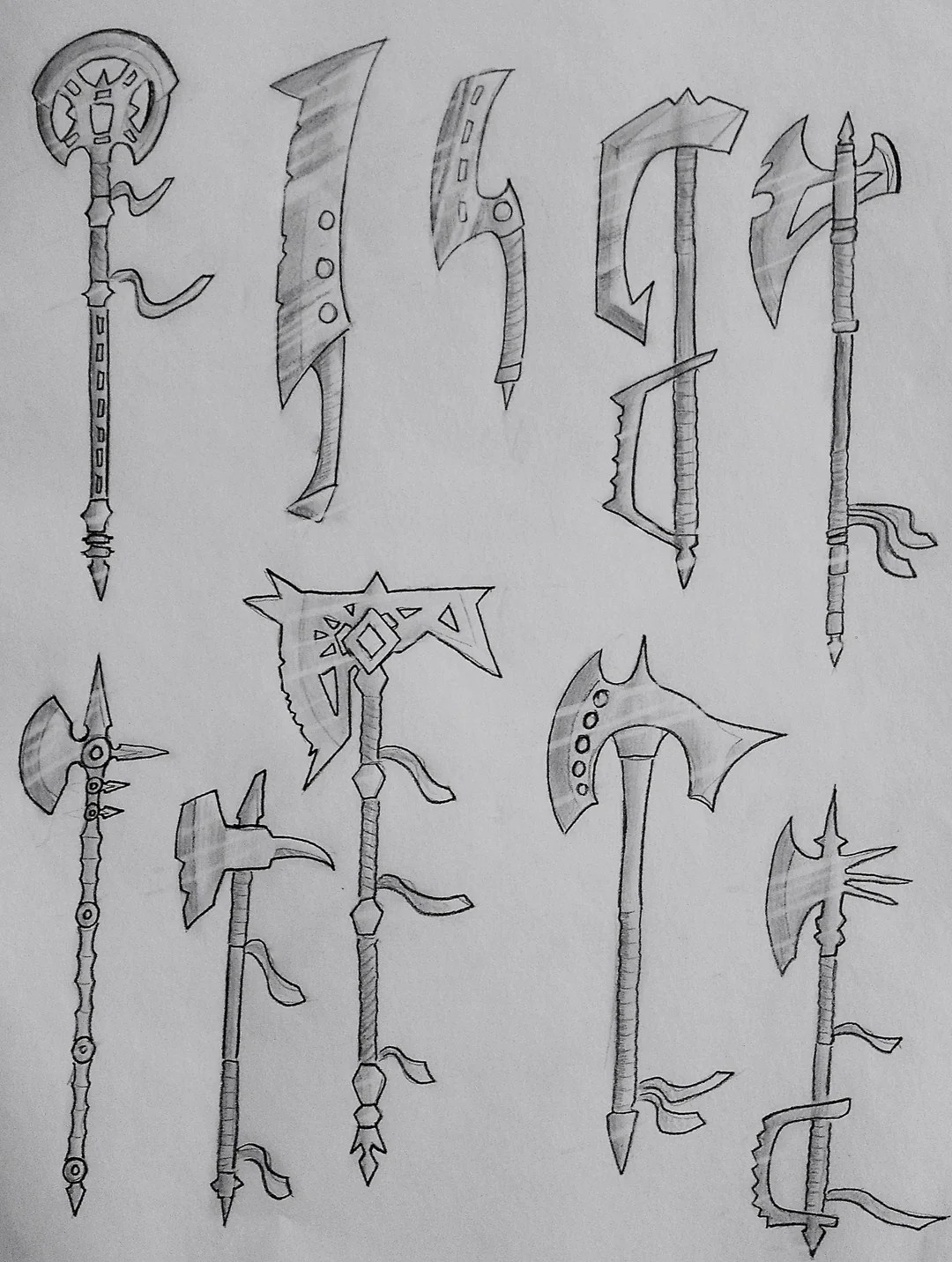
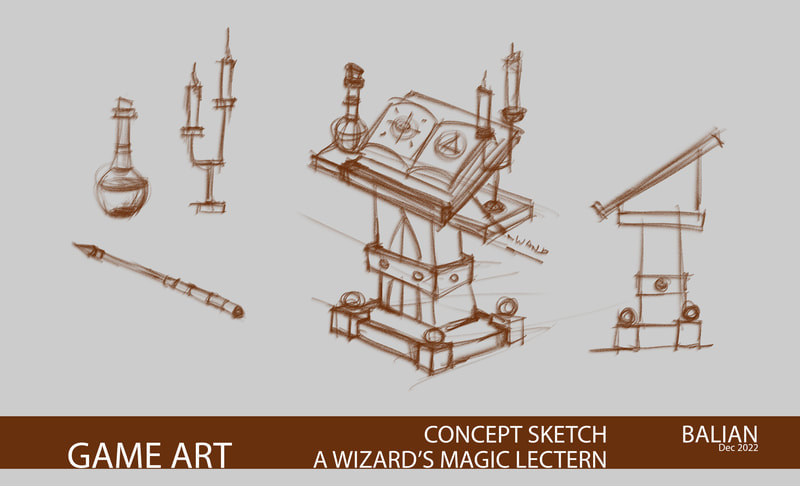
- Present digital or hand drawn ideas/sketches as elevations (front, side, back views) or isometric or any other suitable drawing system showing a 3D form- you can take inspiration from the work of Shiota’s and Serra’s
- Make physical representations of an asset for Order and one for Chaos.
- Task set by Charlie on MS Teams- Week 2
Why make your assets physical ?
- Better understanding of the form
- A greater understanding of materials
- Supports digital modelling
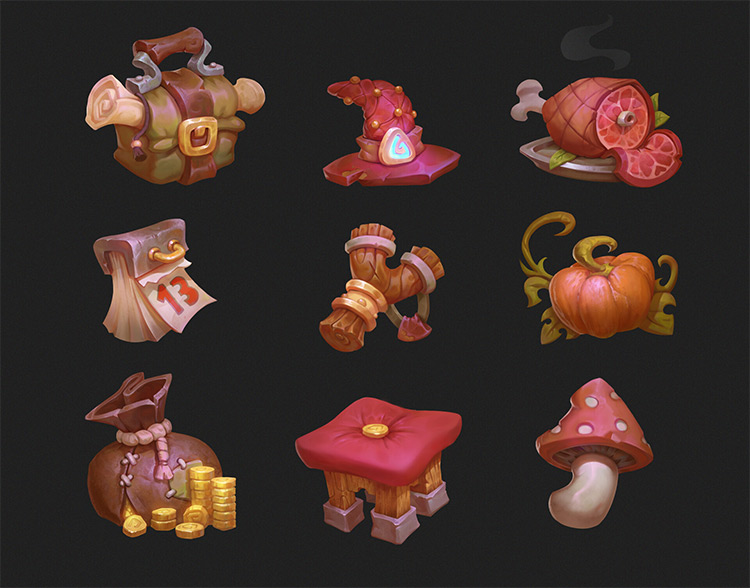
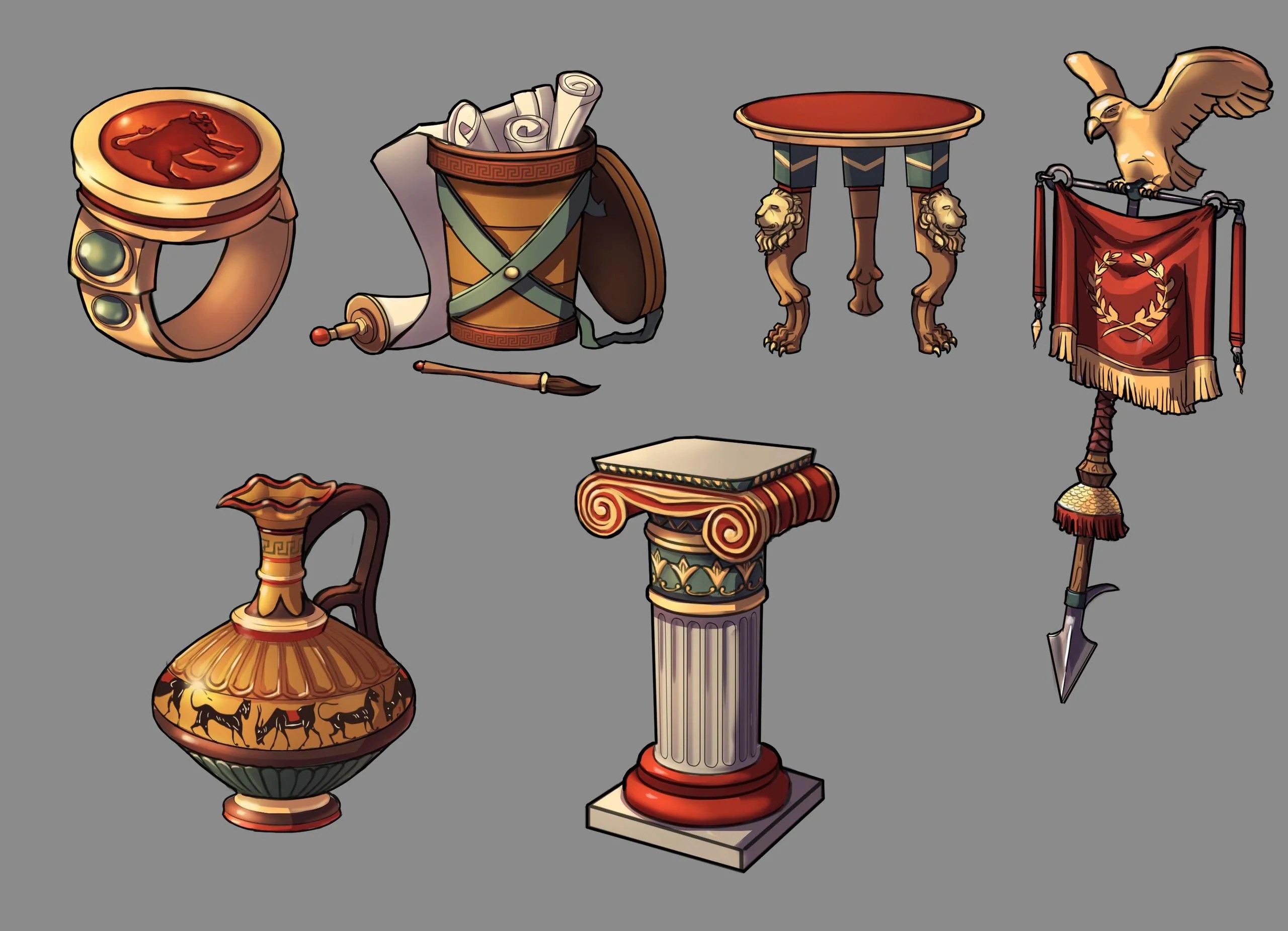
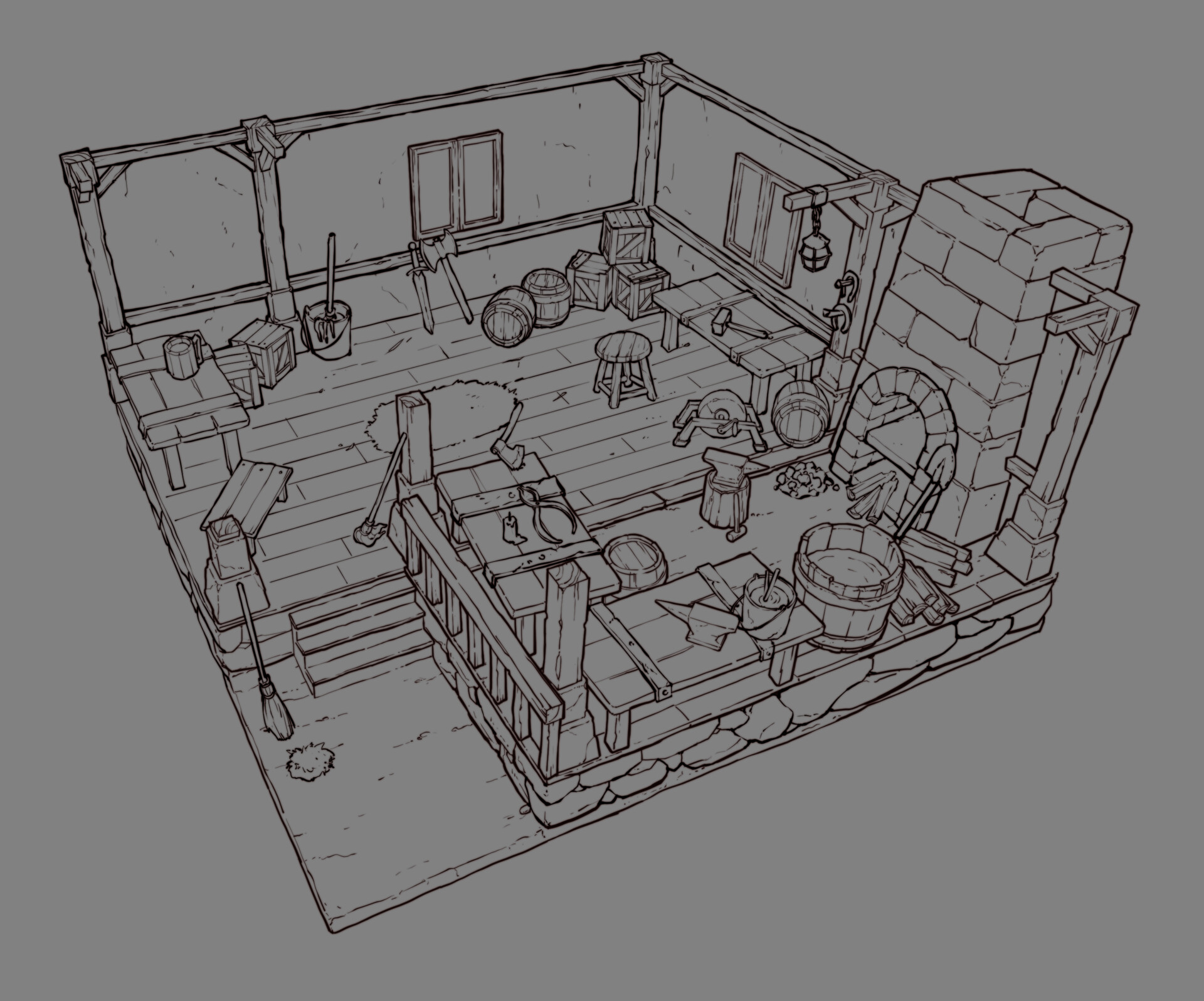
Drawing/Sketching Style for Assets (Digital or Hand drawn)
The Making of (RPG) Undertale- Toby Fox
Tetsuya Mizuguchi-concise history
Hideo Kojima- concise history
Elements in Order & Chaos gaming environments
- grids
- repetition
- symmetry
- patterns
- straight lines
- organised architecture
- predictable movement
- fragmented forms
- random movement
- distorted environments
- explosions
- irregular shapes
- conflicting colours
- unpredictable events
WEEK 1 – WC/ 31st Aug

This week…
WELCOME BACK YEAR 2s!
Introductions
Workshop Rules in 3D
- Be on time, every time
- Remove hats, coats, hoods before the start of a session
- Store bags away (off the ground and the desks)
- Move carefully around the workshop spaces
- Tidy up after each session- put back tools and equipment)
- Photograph & label your work and store away at the end of sessions

- Induction to Year 2
- Induction Assignment Analysis by Charlie
- Quick Refresher- Use of the 3D space
- Understanding Artists- Class Discussion
- Order & Chaos Activities

NB. Research should not be done using AI
Shiota + Serra = Animations/Game Project
Ultimate aim…
ORDER / CHAOS: Designing an Impossible & Fictional Environment
Students to research:
Chiharu Shiota– Installations
→ networks, memory, objects, accumulation, interconnected spaces
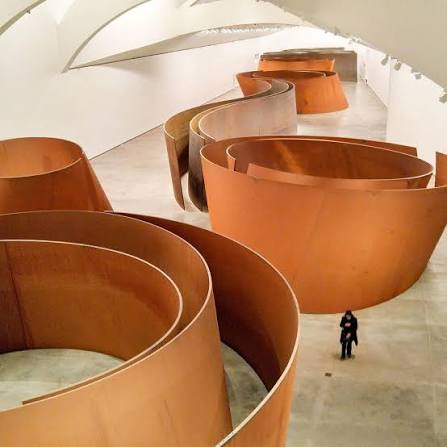
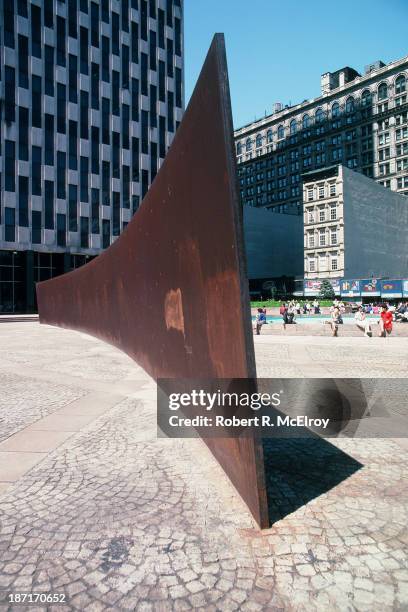
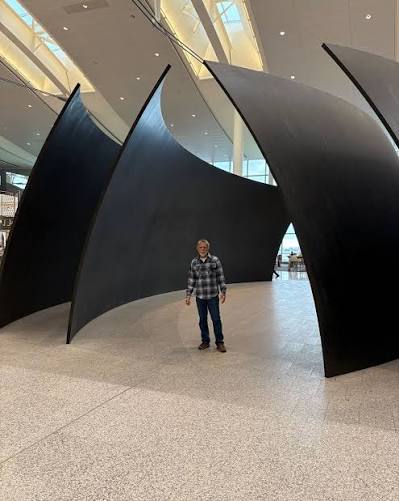
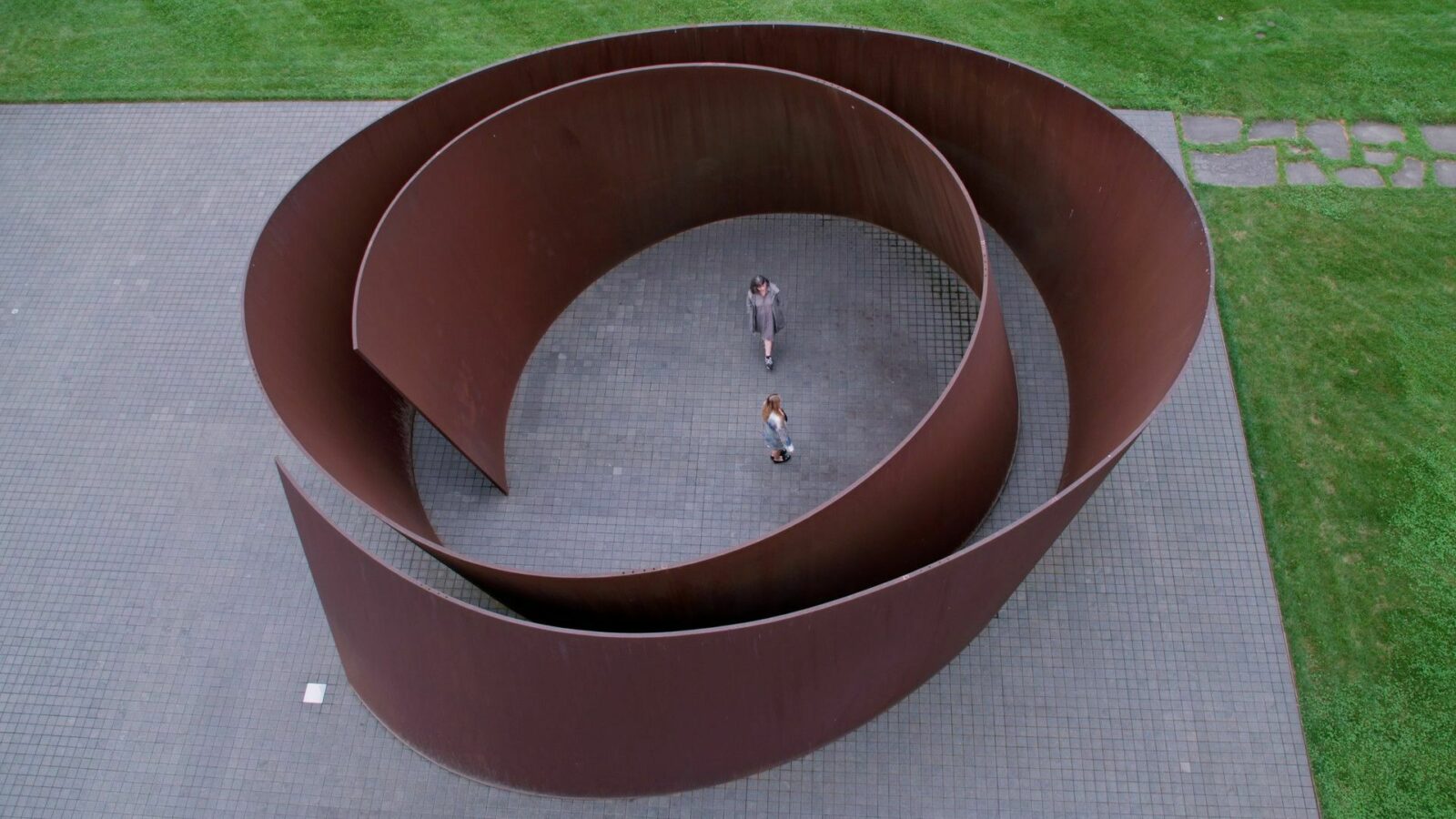
Richard Serra– Sculptures
→ mass, scale, movement, architecture, enclosure, perspective
Critical Questions Guide
- How has the artist used form, shape, structure and space to communicate ideas about Order and/or Chaos?
Consider whether the sculpture feels organised, controlled, balanced, unpredictable or disordered. - How do the materials and processes used by the artist contribute to the theme of Order and Chaos?
Explain how choices such as metal, wood, clay, found objects, digital modelling, repetition or construction affect the meaning of the work. - What visual elements create a sense of order or chaos within the artwork?
Consider pattern, repetition, symmetry, rhythm, scale, texture, movement, density and negative space. - What do you think the artist is trying to communicate through the relationship between Order and Chaos?
Explore possible ideas, emotions or messages and support your interpretation with specific visual evidence from the artwork. - How could the artist’s approach to Order and Chaos influence your own 3D artwork?
Identify specific techniques, materials, forms or ideas that you could experiment with and explain how you might develop them in your own work.
Focus on the first 2 Artists of this Power Point
Then create a fictional environment.
Stage 1 — Research
Study:
- Shiota’s installations
- Serra’s sculptures
- game environments
- animation environments
Game Designers to research
- 1. Hideo Kojima – Order vs Chaos through narrative and environments-Students should investigate how a game world can appear organised but contain threatening or unpredictable elements. (20 sentences)
- 2. Tetsuya Mizuguchi – Order vs Chaos through movement and pattern-For students interested in animation, colour, sound, rhythm and visual effects. (20 sentences)
- 3. Toby Fox – Order vs Chaos through player choice– Useful for exploring how rules can be followed, broken or manipulated by the player.(20 sentences)
Stage 2 — Draw– to begin this as homework
Create: 2 or more of the following
- environment sketches
- floor plans
- perspective drawings
- pathways
- mood drawings
In Lesson Tasks
- At L3 year 2, you should include critical analysis of artwork.
- Work Independently
- Participate in Class Discussions

